Selby To Summit: Living Well In Summit-University
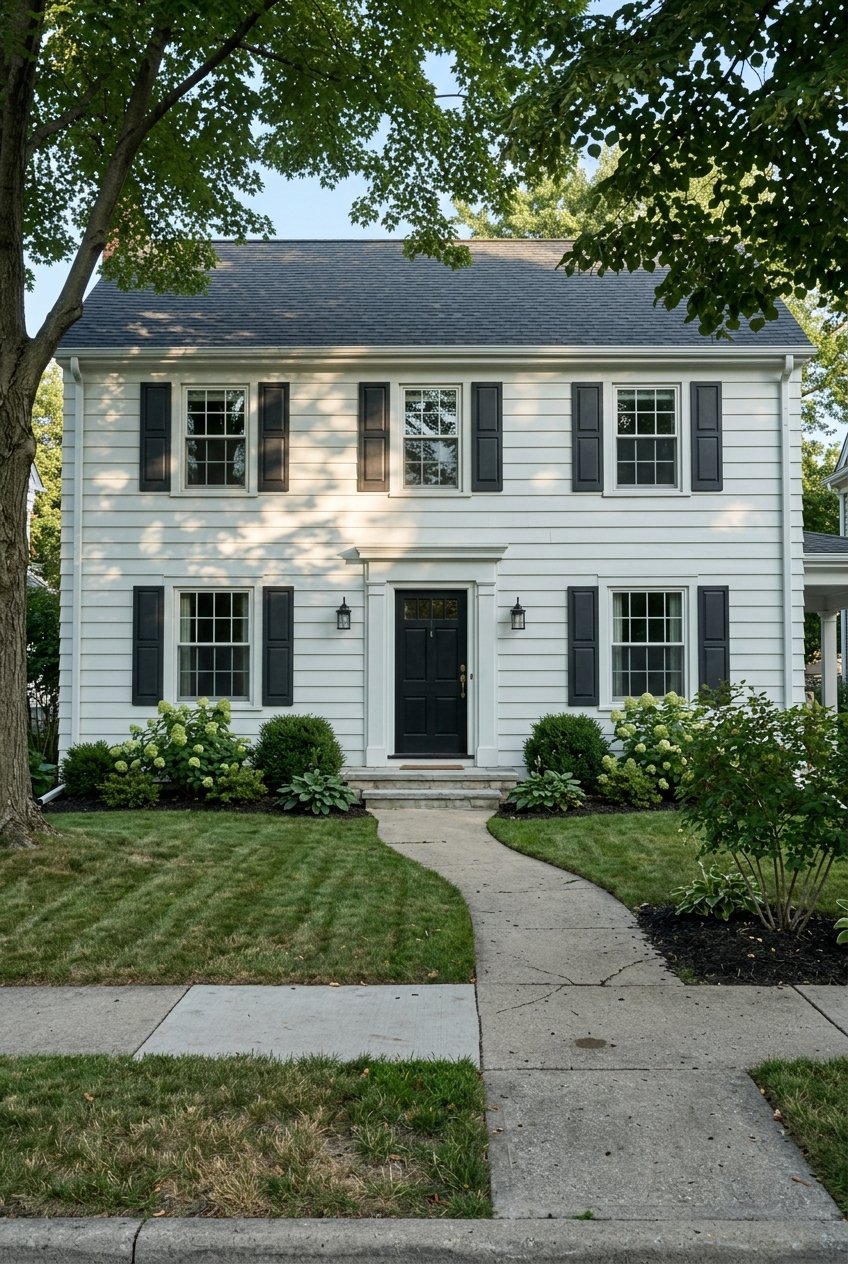
If you are looking for a Saint Paul neighborhood that feels both historic and lived-in, Summit-University deserves a closer look. This is a place where daily life can feel easy and grounded, with leafy blocks, older homes, and a commercial corridor that stays woven into the neighborhood’s routine. If you want to understand what it is really like to live here, this guide will walk you through the housing, streetscapes, and day-to-day rhythm that shape Summit-University. Let’s dive in.
Summit-University sits just west of downtown Saint Paul, bordered by University Avenue, Summit Avenue, Lexington Parkway, and Marion Street and John Ireland Boulevard. According to the City of Saint Paul, the neighborhood has a population of 18,293 and a broad age mix, with its largest age group between 25 and 34.
That age spread matters because it points to a neighborhood with many different life stages present at once. About 31% of residents are between 18 and 34, and about 22% are under 18. Rather than feeling built for one type of household, Summit-University reads as layered, active, and varied.
Land use adds to that balance. The neighborhood is 51% residential, with 5% commercial land, 3% park land, and 35% public right-of-way. In practical terms, that means most of the area feels residential, while activity tends to gather along key corridors like Selby Avenue and University Avenue.
One of the clearest things about Summit-University is that it does not feel one-note. It sits within Ward 1, which the city describes as one of Saint Paul’s most racially and economically diverse wards, and that wider civic context helps explain the neighborhood’s layered identity.
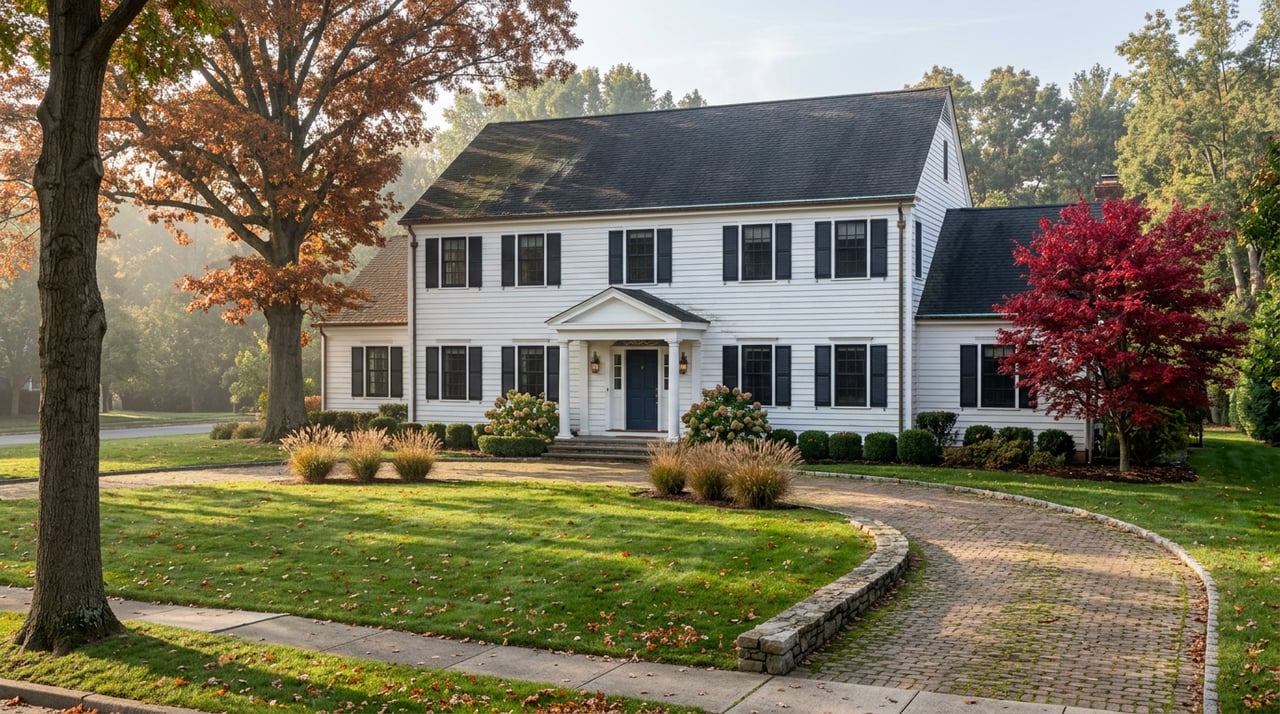
You see that variety in the built environment too. The area includes single-family homes, multi-family buildings, large historic structures, and commercial properties along major streets. That mix gives the neighborhood both texture and function, which is part of what makes it appealing to buyers who want character without giving up convenience.
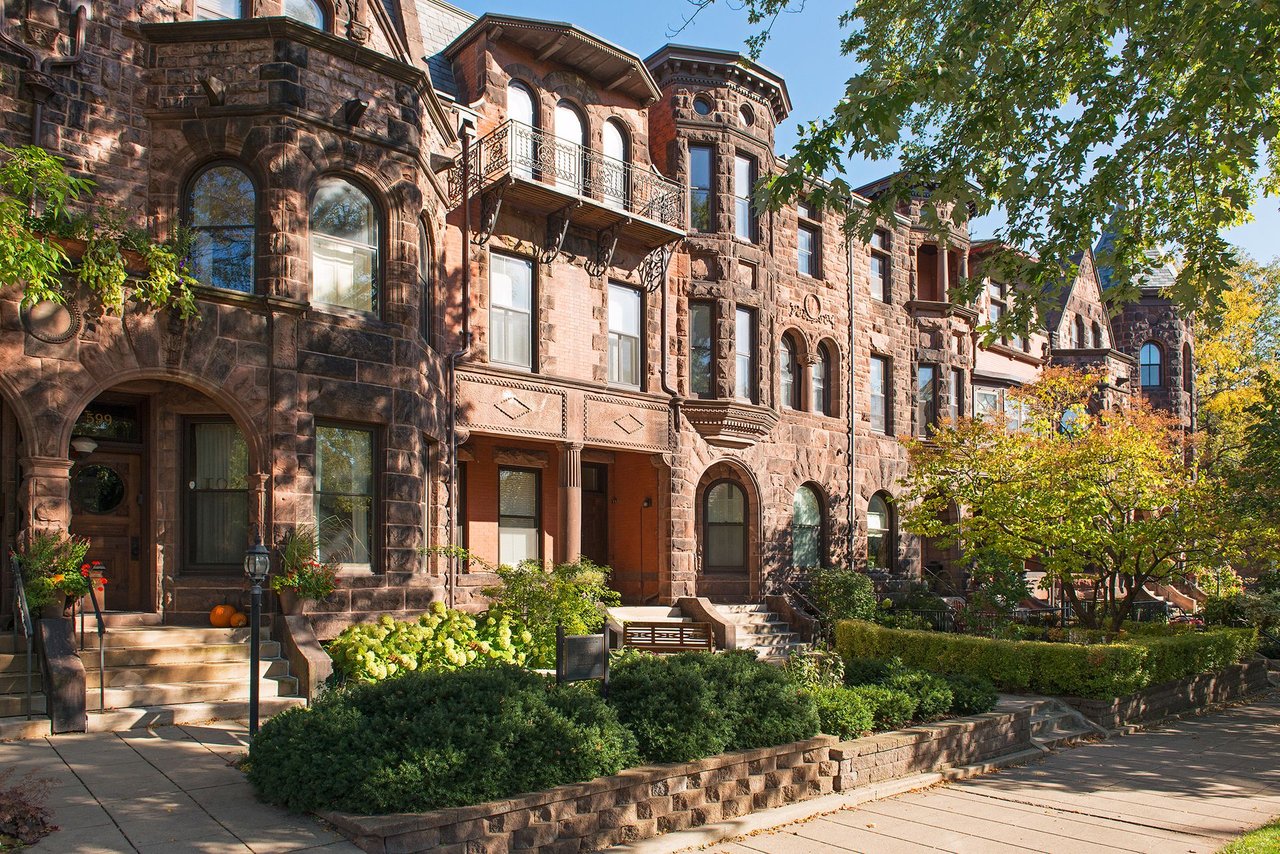
Housing here is one of the neighborhood’s defining features. City planning documents note that more than half of the housing units are at least 65 years old, so older homes and older buildings are a major part of the story.
For you as a buyer or homeowner, that often means architectural detail, established streets, and a sense of continuity that newer neighborhoods cannot easily replicate. It can also mean the normal stewardship that comes with older Saint Paul housing stock, including ongoing maintenance, thoughtful updates, and a respect for original character.
The city’s neighborhood plan makes that emphasis clear. It calls for preserving existing housing stock, supporting affordable housing, and maintaining options for lifelong residency. In other words, preservation is not just about appearance here. It is part of how the neighborhood thinks about staying livable over time.
Recent projects reinforce that point. Dale Street Place is being preserved as 150 deeply affordable units, and Ashland Apartments is being converted into supportive housing. Those efforts show that rehabilitation and reinvestment remain active parts of Summit-University’s housing landscape.
Summit Avenue gives Summit-University much of its visual identity. The corridor is known for its park-like feel, long views, and preserved residential character, and it remains one of Saint Paul’s most recognizable historic streets.
The architecture along Summit Avenue includes styles such as Beaux Arts, Spanish Colonial, Tudor Villa, Georgian Revival, and Rectilinear. Saint Paul’s heritage preservation inventory also identifies the Historic Hill District and the West Summit Avenue Historic District in this area.
For many buyers, that kind of setting creates a strong sense of place. It is not just about impressive homes. It is about living in a neighborhood where architecture, mature trees, and long-term stewardship shape the everyday experience of the street.
If Summit Avenue is the backdrop, Selby Avenue is the rhythm. Selby works as the neighborhood’s everyday commercial spine, especially between Dale and Lexington, where revitalization efforts connect with the area’s African American Heritage Corridor - Commercial District identity.
The City of Saint Paul is also investing in the east end of Selby Avenue through its commercial corridor program. That support includes cultural celebration, small-business engagement, corridor events, and microgrants, which tells you this is not a static stretch. It is a corridor with ongoing public attention and neighborhood energy.
For residents, that matters because Selby supports ordinary routines as well as social ones. Current directory listings show coffee stops like Cahoots Coffee Bar, Golden Thyme Cafe, and the Neighborhood Cafe, along with places like French Hen Cafe and La Grolla on Selby. Retail stops nearby include Patina Selby at Snelling.
The result is a neighborhood where coffee, errands, lunch, and dinner can often happen close to home. That kind of convenience shapes how a place feels to live in, especially if you value walkable habits and local businesses as part of your weekly routine.
Summit-University has a strong green framework for an urban neighborhood. The city’s urban forest report says the district has 6,172 street trees and 30.5% canopy cover, which helps explain why many blocks feel shaded and inviting.
That tree canopy matters more than people sometimes realize. It softens the streetscape, supports a calmer walking experience, and adds to the sense that even busy city blocks can still feel residential.
Several parks and open spaces also help shape the neighborhood’s outdoor life. Summit Monument Park, Cathedral Hill Park, and Boyd Park each contribute something a little different, from open views and historic landmarks to sidewalks, a playground, and a more everyday pocket-park feel.
If you picture a typical evening here, the appeal becomes easy to understand. You might start with dinner or a quick stop on Selby, then head onto quieter streets beneath the tree canopy, and finish with a walk near Summit Avenue or the cathedral area.
Mobility has long been part of the neighborhood’s planning identity. The Summit-University plan emphasizes safe walking and biking, along with better connections to transit, including University Avenue.
Some of those priorities reflect long-running neighborhood goals rather than a real-time snapshot of service. Even so, they show that connectivity has been central to how the area has been planned and discussed for years.
For buyers comparing Saint Paul neighborhoods, this matters because Summit-University offers more than visual charm. It combines residential blocks, neighborhood-serving businesses, and access to major corridors in a way that supports a practical daily routine.
Summit-University often appeals to buyers who want character, location, and a lived-in neighborhood feel. The combination of historic housing, commercial reinvestment, and walkable routines gives it a lifestyle story that feels grounded rather than manufactured.
At the same time, older housing stock usually calls for a thoughtful eye. If you are considering a home here, it helps to look closely at condition, updates, and the level of ongoing maintenance a property may need. In a neighborhood where preservation matters, smart ownership often means balancing comfort, function, and respect for the home’s age.
That is especially true if you are weighing resale potential. In neighborhoods with strong identity, presentation, upkeep, and thoughtful improvements can play an important role in how a property is received by future buyers.
What makes Summit-University memorable is the contrast it holds together so well. Selby Avenue brings energy, small businesses, and day-to-day convenience, while Summit Avenue brings historic scale, canopy, and architectural presence.
That contrast creates a neighborhood rhythm that feels both useful and beautiful. You are not choosing between charm and practicality here. In many parts of Summit-University, you get both in the same day.
If you are thinking about buying or selling in Saint Paul, understanding that rhythm matters. Neighborhood value is not only about square footage or price point. It is also about how a place lives, block by block, and Summit-University offers a lifestyle that is distinctly Saint Paul.
If you want help evaluating homes, preparing a property for sale, or understanding how neighborhood character shapes value in Saint Paul, Natasha Cejudo is here to help.
Lifestyle
My third listing on the lake, and yes, it’s a charm
Market Update
Macalester-Groveland, Highland Park, Summit Hill, Summit University & Merriam Park | October 12 to 19, 2026

Blog
Which is why this newsletter is over four hours late.
Market Update
October 5 to 12, 2026
Blog
September 27 to October 5, 2026
Natasha prides herself on an honest, transparent, and comprehensive approach based on mutual understanding and clear communication. She is patient, insightful, attentive, and responsive; her professionalism, humor, and candid approach make her a joy to work with. If you are considering a move this year or next, she would welcome a conversation with you!