In Merriam Park, the Asking Price Isn't the Price
Ask someone shopping for a home in central St. Paul which of five well-known neighborhoods sells the hardest against its own asking price, and most guesses land on Summit Hill. It has the grandest houses, the highest price tag, and a reputation for scarcity. The actual answer is Merriam Park, a neighborhood where the average home in early spring sold for $479,000, well below Summit Hill's $793,000, and where buyers still paid 110 percent of list to get it.
That number is the whole story here. Not the price. Not even the speed. The premium.
I track this every week in The St. Paul Market Edit, pulling from Northstar MLS across five neighborhoods I watch closely. Here's how the week of April 27 through May 4, 2026 broke down for single-family homes and condos:
Neighborhood | Avg. Sale Price | Days on Market | Sale-to-List Ratio |
|---|---|---|---|
Merriam Park | $479,000 | 31 | 110% |
Highland Park | $487,000 | 30 | 100% |
Macalester-Groveland | $555,000 | 22 | 102% |
Summit Hill | $793,000 | 74 | 104% |
Summit University | $424,000 | 43 | 102% |
Line these up by price and the pattern breaks almost immediately. Summit University is the cheapest of the five and takes longer to sell, at 43 days, than three neighborhoods with higher price tags. Macalester-Groveland moves fastest of all, in just 22 days, despite sitting second from the top on price. Merriam Park doesn't win on speed. It wins on something else entirely: buyers there are paying 10 cents on every dollar of list price above what the seller asked, a gap no other neighborhood in this comparison comes close to.
For context, St. Paul overall sold homes in an average of 22 days over the three months ending May 2026, up from 18 days the year before, with the city's median sale price down 1.9 percent year over year. Against that backdrop, a neighborhood posting a 110 percent sale-to-list ratio isn't just healthy. It's an outlier.
The mistake buyers make is assuming price and competition move together, that the priciest street always draws the fiercest bidding. Merriam Park's numbers suggest the opposite mechanism is at work: the buyer pool that can afford $479,000 is simply much larger than the buyer pool that can afford $793,000, and that larger pool is chasing a narrower slice of housing stock than its size would suggest.
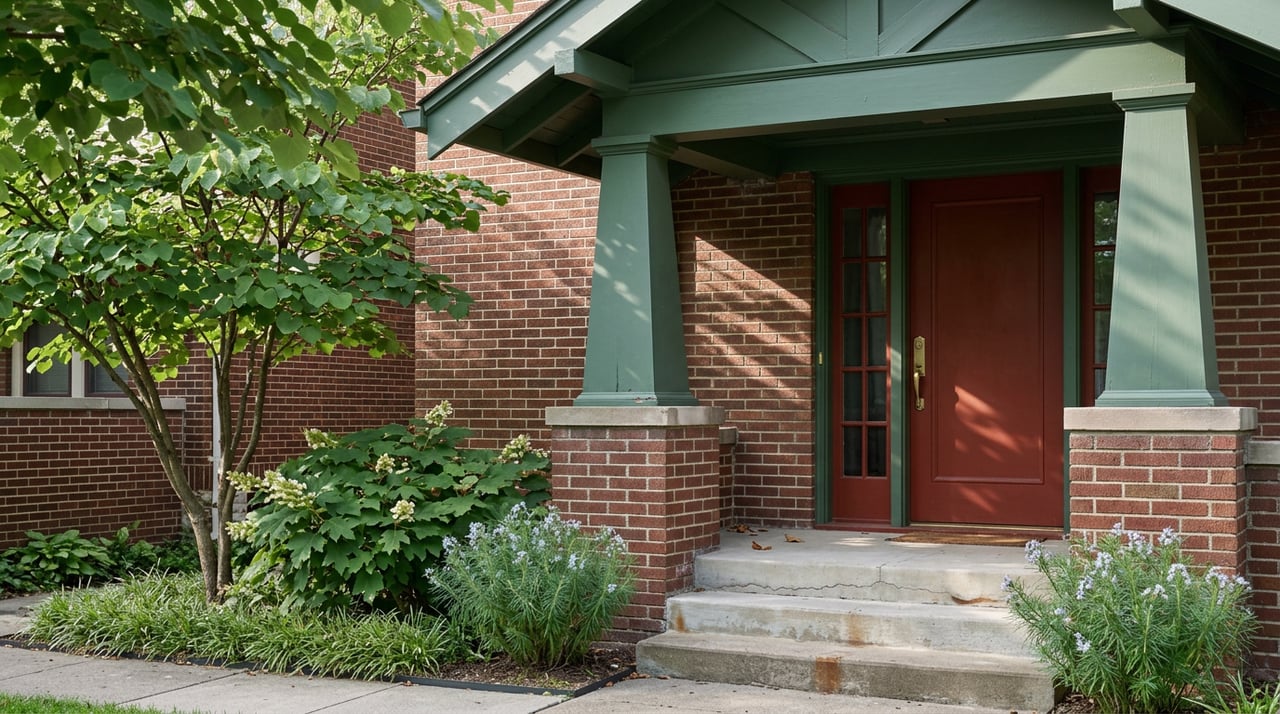
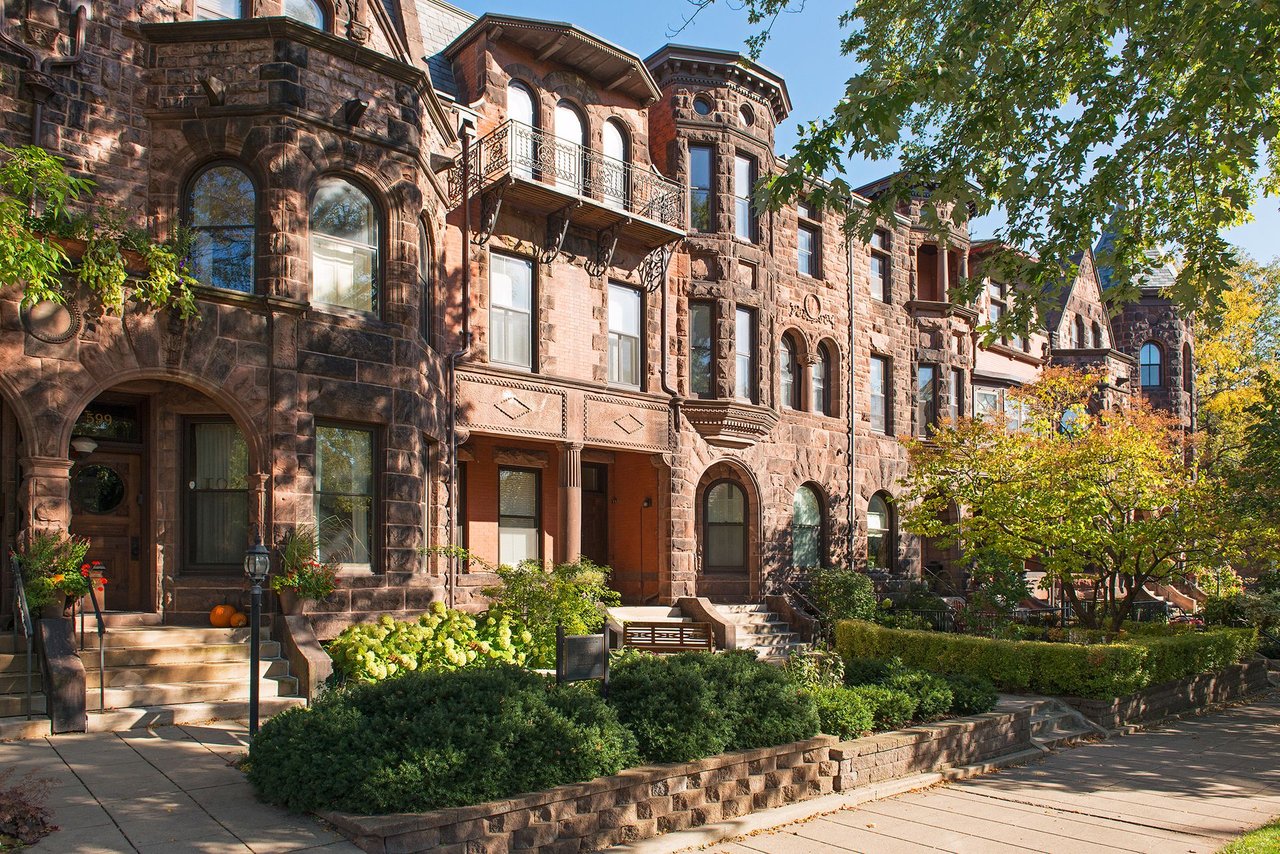
Merriam Park's streets were platted by Colonel John Merriam in the late 1800s, sold off in lots with a requirement that buyers build within a year. That constraint produced a tight, consistent grid of Four Squares, Tudors, Queen Annes, Dutch Revivals, and Prairie-style homes, most of them built within a few decades of each other and few of them large enough to sprawl the way a Summit Hill mansion does. The neighborhood also sits against the Mississippi River, home to the Town and Country Club, Minnesota's oldest country club, dating back to around 1890. Concordia University, founded in 1893, anchors the northern edge, with the University of St. Thomas close by. Commercial life runs along Selby, Marshall, University, and Snelling avenues.
Put a young family who works at Concordia, a couple who wants river access without a Summit Hill budget, and a first-time move-up buyer priced out of Macalester-Groveland's $555,000 average sale price all in the same search radius, and they're competing for the same modest stock of century-old Four Squares. There isn't much room to expand supply in a neighborhood built out this fully more than a hundred years ago. When demand outruns a fixed, narrow inventory, the list price stops functioning as a market-clearing number and starts functioning as an opening bid.
Summit Hill's 74-day average and 104 percent ratio tell a quieter story. The homes there, some of the most significant historic properties in Saint Paul, still sell above ask, just not by nearly as much, and not nearly as fast. That's not a sign of weak demand. It's a sign of a shallower pool. Fewer households can comfortably carry a $793,000 historic home, so the buyers who can afford one have more room to take their time, more leverage to negotiate, and less pressure to waive the due diligence they'd happily skip in a faster-moving tier.
Merriam Park buyers don't get that room. When 110 percent of ask is the going rate, the list price a seller posts is closer to a starting line than a target.
If you're house hunting in Merriam Park, the 110 percent figure should change how you shop, not just how you feel about losing an offer.
If you own in Merriam Park, the temptation is to read 110 percent and assume any list price works. It doesn't. That ratio reflects homes that were priced to invite competition, not homes priced at the ceiling from day one. Sellers who list at what they hope the house is worth tend to sit closer to Summit University's 43-day pace than Merriam Park's 31. Sellers who price a step below true value, with clean presentation and a realistic sense of what the block has actually closed for recently, are the ones generating the bidding that produces that premium.
Does a 110 percent sale-to-list ratio mean every home in Merriam Park sells over asking? No. It's an average across the week's closed sales. A home priced to market with strong staging and a clean inspection history can draw several competitive offers well above ask, while an overpriced or poorly presented one in the same neighborhood can sit and eventually sell closer to list.
Will this pattern hold into fall 2026? These figures are a snapshot from one week in spring, and market behavior shifts with the season and with how much inventory comes online. Rather than guess at where the numbers land six months from now, I'd rather look at the current week's data with you directly when you're ready to move.
Price alone never tells you how a neighborhood actually behaves. Merriam Park is the clearest example among these five: the neighborhood with the highest sale-to-list ratio, and the one where buyers are working hardest to win.
If you're weighing a move into Merriam Park, or wondering whether your own neighborhood's numbers tell a different story than its reputation suggests, I'd like to walk through the current data with you. Natasha Cejudo tracks these five neighborhoods every week for exactly this reason. Let's connect — start the conversation.
This article is general information, not legal, tax or financial advice. Consult a qualified professional about your situation.

Blog
Which is why this newsletter is over four hours late.
Market Update
October 5 to 12, 2026
Blog
September 27 to October 5, 2026

Market Update
All in good light
Market Update
Here's what closed between September 13 and September 21, neighborhood by neighborhood.
Natasha prides herself on an honest, transparent, and comprehensive approach based on mutual understanding and clear communication. She is patient, insightful, attentive, and responsive; her professionalism, humor, and candid approach make her a joy to work with. If you are considering a move this year or next, she would welcome a conversation with you!