A First Time Homebuyer Guide to Highland Park
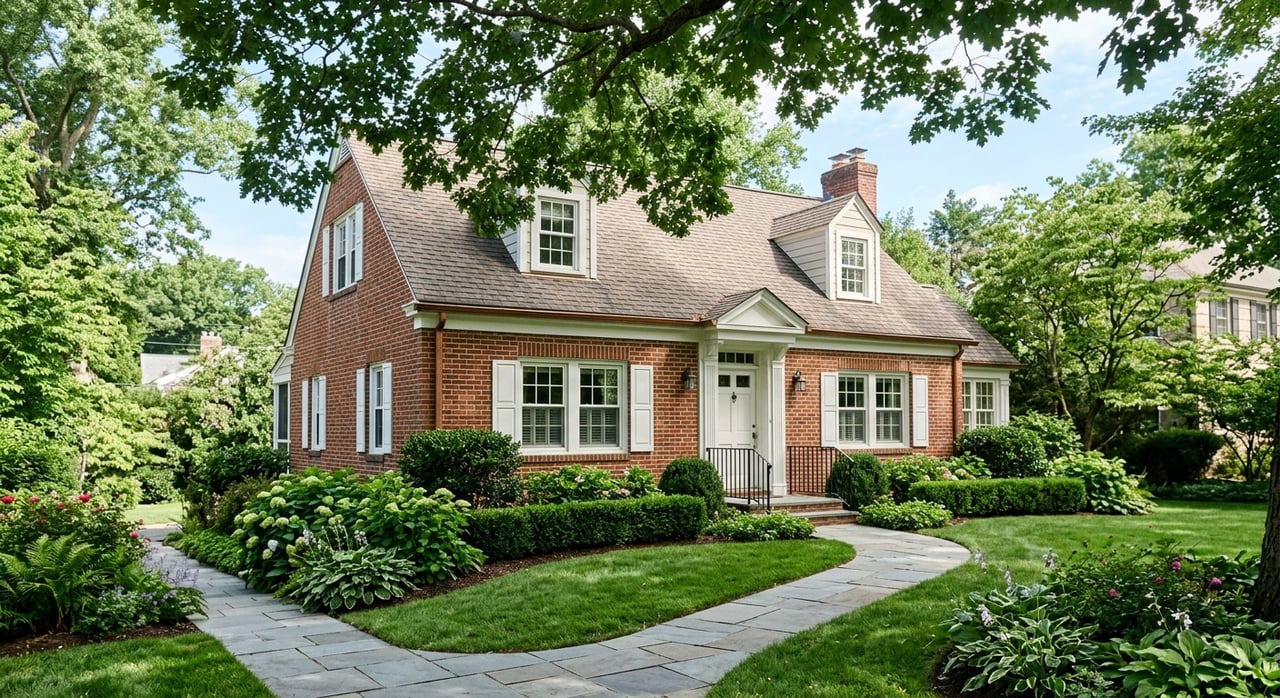
Buying your first home in Highland Park can feel exciting and intimidating at the same time. You may love the neighborhood’s tree-lined streets, walkable commercial areas, parks, and mix of housing, but you also need to understand what your budget can realistically buy and how to avoid surprises in an older Saint Paul home. This guide will help you understand Highland Park’s market, housing options, due diligence steps, and first-time buyer process so you can move forward with more confidence. Let’s dive in.
Highland Park offers something many buyers want but struggle to find in one place: neighborhood character, everyday convenience, and a range of housing types. Saint Paul’s neighborhood planning documents describe it as a walkable community with open space, commercial nodes that support daily needs, and strong residential areas.
That mix matters when you are buying your first home. Instead of seeing only one type of property or one price point, you can explore condos, townhomes, smaller detached homes, and multi-family-style housing patterns that have long been part of the area’s fabric.
The neighborhood also has real staying power. Saint Paul’s plan highlights Highland Park’s tree canopy, green space, and connection to the Mississippi River, which helps explain why many buyers see it as both a practical first purchase and a place they may want to stay for years.
Highland Park’s housing stock reflects several eras of growth. According to Saint Paul’s district plan, the neighborhood includes early farmhouses from the 1850s and 1860s, homes built during a major 1920s construction period after the Ford plant opened, and post-World War II homes such as ramblers, Colonial Revival homes, and Cape Cod styles.
You will also find a broader mix than many first-time buyers expect. The district plan notes duplexes, triplexes, bungalow courts, accessory dwelling units, and mixed-use buildings, which helps make the neighborhood feel more accessible than its reputation alone might suggest.
For you as a buyer, that means it is smart to stay flexible. If a classic detached home feels out of reach, a condo or townhome may offer a way into the neighborhood without giving up the location you want.
Highland Park is generally one of the more expensive first-ring Saint Paul markets. As of March and April 2026, reported market figures place the median sale price roughly between the mid-$400,000s and mid-$500,000s, depending on the source and methodology.
At the same time, not every home falls into the same price band. Recent examples in the research show entry-level condos appearing in the mid-$200,000s, while smaller detached homes can fall in the low-to-mid $400,000s. Newer or larger properties can go much higher.
That is why your search strategy matters. If you are a first-time buyer focused on Highland Park, you will usually want to zero in on:
This approach can help you stay realistic without ruling out the neighborhood too soon.
Price is only one part of the story. Market pace also matters, and Highland Park tends to move quickly.
Recent market snapshots show homes selling in about 23 to 28 days on market, with Zillow reporting pending timelines around 11 days. That does not mean every listing will move instantly, but it does mean you should be ready to act when the right property appears.
For a first-time buyer, speed works best when it is backed by preparation. A rushed offer without clear financing or a clear inspection plan can create stress later.
Before you tour seriously, get clear on what you can afford. The cleanest sequence is to set your budget and obtain preapproval first, then shop, inspect, insure, and close.
A preapproval letter is important because sellers often expect one before accepting an offer. It is not a guaranteed loan offer, but it helps show that you are a serious and prepared buyer.
If you are planning to buy in Highland Park, your early checklist should include:
That last point is especially important in a neighborhood with many older homes.
If you may qualify for Minnesota Housing programs, do not wait until the last minute. Minnesota Housing recommends taking a homebuyer education class early, and if every borrower in the household is a first-time buyer and you plan to use Minnesota Housing programs, one borrower must complete an approved class before closing.
This can be worth your attention if down payment funds are one of your biggest hurdles. Minnesota Housing says some mortgage options require as little as 3% down, and eligible borrowers may access down payment and closing cost loans of up to $18,000.
Those funds are not grants, so you still need to understand the repayment terms. Still, for some first-time buyers, these programs can meaningfully expand what feels possible.
One of Highland Park’s biggest strengths is its housing character. One of its biggest buyer challenges is that many homes are older and require more careful due diligence.
Because many homes in the area predate 1978, lead-based paint is a real consideration. The Minnesota Department of Health says about 75% of homes built before 1978 contain some lead-based paint, and older homes are more likely to have it.
Radon should also be on your checklist. The Minnesota Department of Health recommends radon testing for all Minnesota homeowners and strongly recommends that homebuyers test before purchase or occupancy. Minnesota law also requires sellers to disclose known radon concentrations.
A general home inspection is important, but in Highland Park you may also want to think beyond the basics. Older homes can have issues tied to age, materials, deferred maintenance, or previous renovations.
Depending on the property, questions may include:
If you plan to remodel after closing, your due diligence becomes even more important. The Minnesota Department of Health notes that renovation work in pre-1978 homes can generate lead dust and chips, and certain work requires certified renovators.
In Saint Paul, the water service line deserves special attention. Saint Paul Regional Water Services says lead can come from the service line between the street and the home, as well as from plumbing inside the house.
The city allows residents to look up service-line material by address, and it also offers an assessment program for private lead service line replacement. For a first-time buyer, this is a useful question to raise during due diligence, especially if you are comparing older homes.
Some properties in Saint Paul may be protected at the local, state, or national level for historic reasons. If a home is a designated heritage site or sits within a locally designated heritage district, Saint Paul says exterior projects require review and approval through the Heritage Preservation office.
That does not automatically make a property a bad fit. It simply means you should understand the rules before assuming you can make exterior changes right away.
This matters most if you are buying with plans to update windows, siding, roofing details, additions, or other visible exterior features.
For many first-time buyers, Highland Park is not just about the house. It is about how life works once you live there.
The neighborhood plan emphasizes walkability and access to daily needs such as grocery, hardware, pharmacy, shops, and restaurants. Highland Village remains the neighborhood’s main commercial node and is described by the city as a successful pedestrian-friendly mixed-use corridor.
Parks and recreation are also a major part of the appeal. Saint Paul lists amenities such as the Highland Park Aquatic Center, golf courses, disc golf, playgrounds, picnic areas, a sledding hill, ski trails, and the Highland Park Community Center, which includes programs, fitness, meeting rooms, childcare, rentals, and a library branch.
If commute flexibility matters to you, Highland Park offers more options than a car-only lifestyle. The city plan says about 8.2% of commuters use something other than a car, and about 8% of households have no vehicle.
Metro Transit’s Highland Park study says the area is served by nearly 800 transit trips on ten bus routes each weekday. The A Line runs on Ford Parkway and Snelling Avenue and connects to the Blue and Green Line networks.
The neighborhood also supports biking and walking. Saint Paul identifies bike facilities on Cleveland Avenue, Ford Parkway, and Lexington Parkway, and the Ford Parkway Bridge is noted as one of the city’s highest-volume bicycling locations.
If you want to buy your first home in Highland Park, the goal is not just to win a house. It is to buy well.
A smart strategy usually looks like this:
In Highland Park, the opportunity is the neighborhood’s mix of character homes, transit, green space, and practical commercial areas. The tradeoff is that many homes come with the maintenance realities of older Saint Paul housing.
That is why first-time buyers tend to do best when they balance emotion with preparation. You can absolutely buy into a neighborhood you love, but you will feel much better if your budget, inspection plan, and expectations are all aligned from the beginning.
If you are thinking about Highland Park, the right guidance can help you sort through the options, compare the tradeoffs, and choose a home that fits both your life and your long-term comfort. When you are ready to talk through neighborhoods, price points, and what to watch for in Saint Paul housing, Natasha Cejudo would love to help.
Market Update
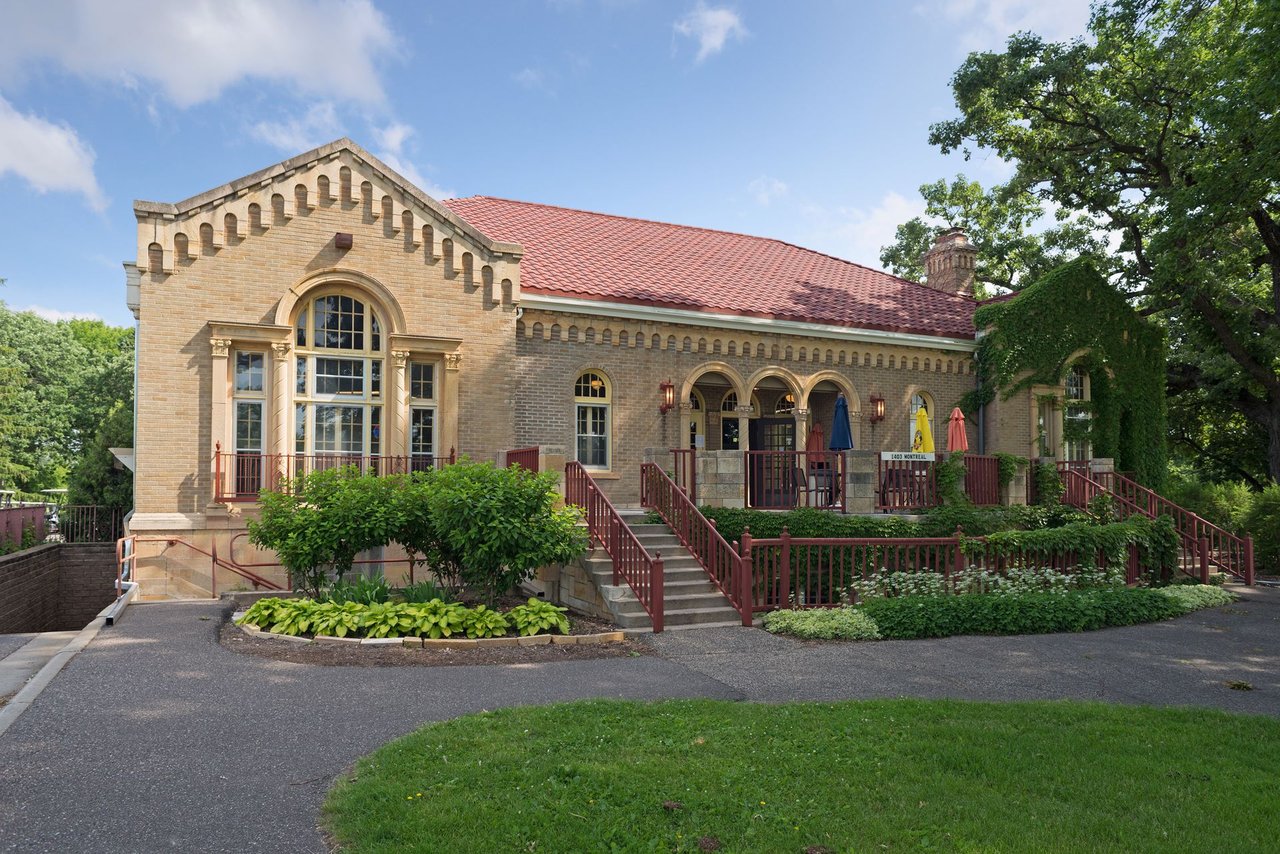
Here's what closed between September 13 and September 21, neighborhood by neighborhood.

Blog
Hispanic Heritage Month, Mexican Independence Day, and the Humanitarian Award Minneapolis Just Earned
Market Update
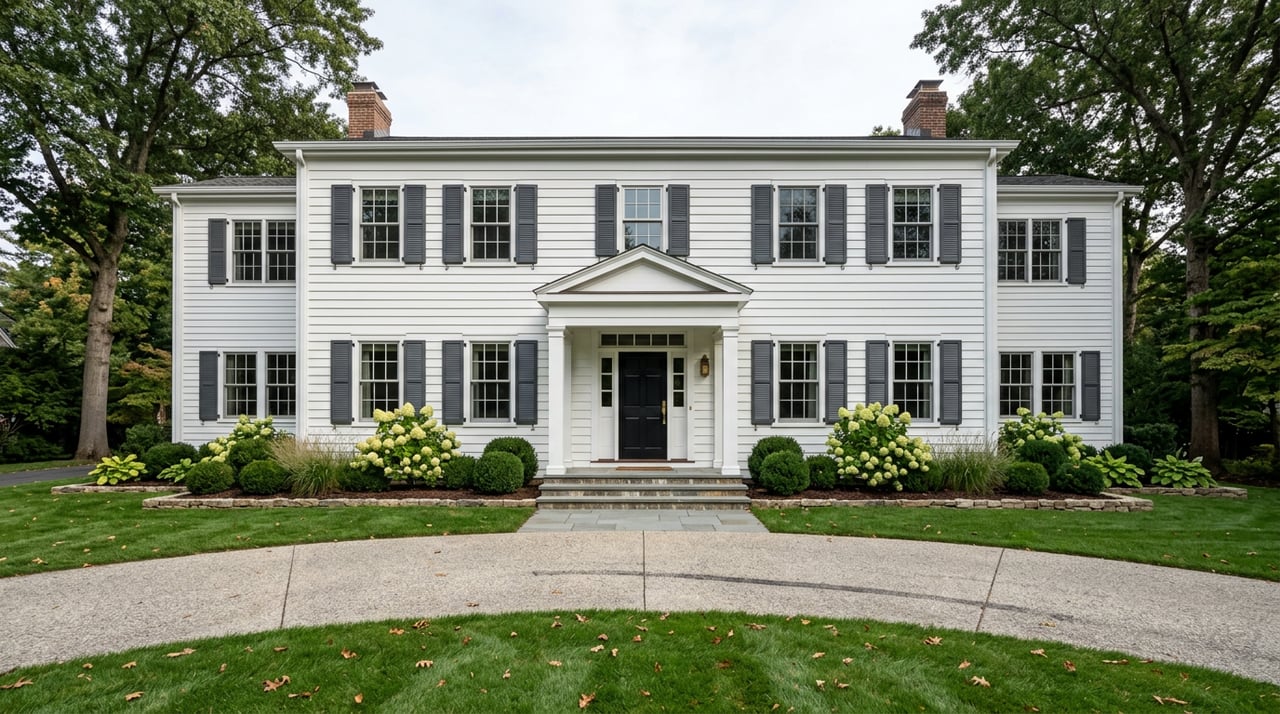
Macalester-Groveland, Highland Park, Summit Hill, Summit University & Merriam Park | August 31–September 8, 2026

A newsletter for the week when we're not quite ready to let go
Market Update
Macalester-Groveland, Highland Park, Summit Hill, Summit University & Merriam Park | August 23–31, 2026
Natasha prides herself on an honest, transparent, and comprehensive approach based on mutual understanding and clear communication. She is patient, insightful, attentive, and responsive; her professionalism, humor, and candid approach make her a joy to work with. If you are considering a move this year or next, she would welcome a conversation with you!