Staging Your Macalester-Groveland Home To Sell
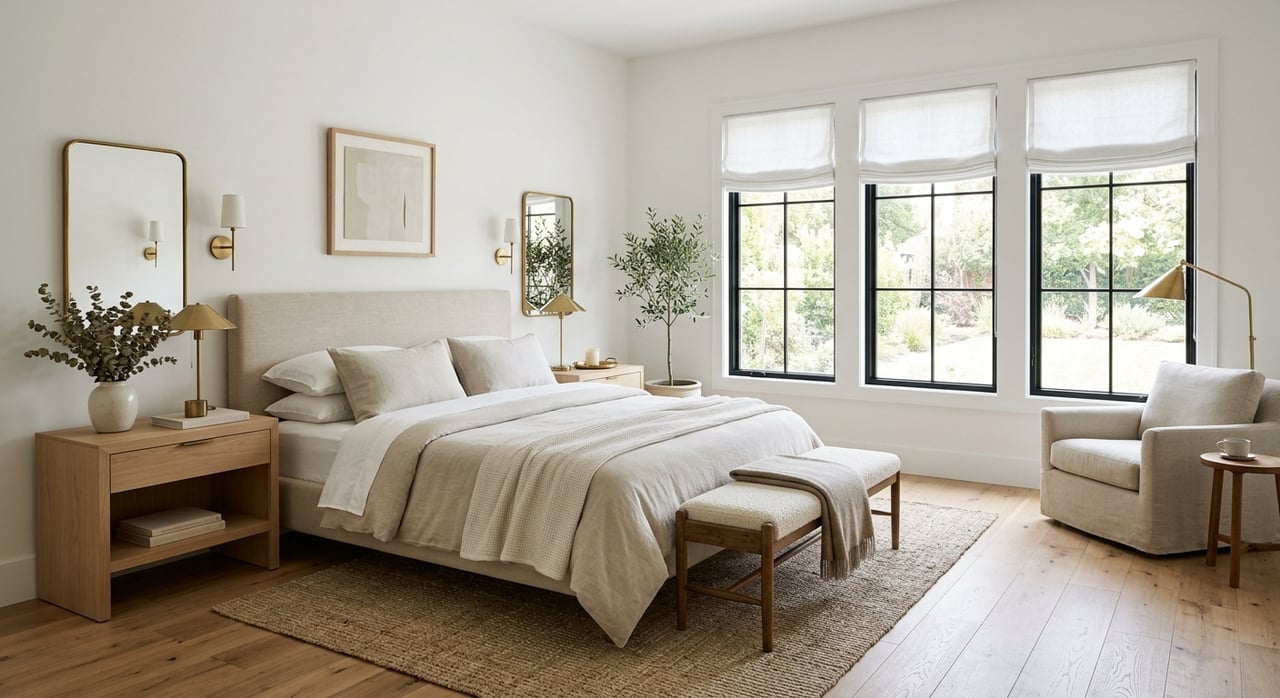
Wondering how to stage your Macalester-Groveland home without stripping away the very character that makes it special? If you are getting ready to sell in one of Saint Paul’s most historic neighborhoods, that question matters more than you might think. The good news is that smart staging does not mean making your home feel generic. It means helping buyers see its space, light, and original details clearly, both online and in person. Let’s dive in.
Macalester-Groveland is a Ward 3 neighborhood in Saint Paul with many homes and businesses dating to the early 1900s. The neighborhood includes Macalester College and St. Catherine University, and Saint Paul’s community plan explicitly prioritizes preservation of historic resources.
That context shapes how your home should be presented. In the Macalester Park area, a historic survey found that 92% of built properties were constructed between 1886 and 1930. Common architectural styles include bungalow, Craftsman, Tudor Revival, Prairie School, Colonial Revival, and Dutch Colonial Revival. In a setting like this, staging usually works best when it highlights original features instead of trying to make the home look brand new.
Staging also has practical value. According to the 2025 Profile of Home Staging, 83% of buyers’ agents said staging makes it easier for buyers to visualize a property as their future home. In the same report, 49% of sellers’ agents said staging reduced time on market, and 29% said it increased the dollar value offered by 1% to 10%.
In Macalester-Groveland, preservation-minded staging is usually the right move. That often means cleaning, decluttering, and simplifying so buyers can notice the details that make an older home stand out.
If your home has Craftsman or Colonial Revival elements, focus on the features those styles naturally emphasize. Think porches, symmetry, woodwork, and natural light. Your goal is to make those details easy to see, not hide them behind too much furniture or trendy decor.
Restrained choices tend to work best. Keep colors soft and simple, use only a few accessories, and let the architecture carry the room.
If your budget or timeline is limited, prioritize the spaces buyers and agents notice first. National staging data shows the most commonly staged rooms are the living room, primary bedroom, dining room, and kitchen.
That matters because staging is not an all-or-nothing project. You do not need to fully redesign every room to make a strong impression. In many cases, a few well-staged key spaces do more for your listing than spreading your effort too thin.
Here is where to focus first:
Secondary bedrooms can usually stay simple, especially if you are trying to control cost and time.
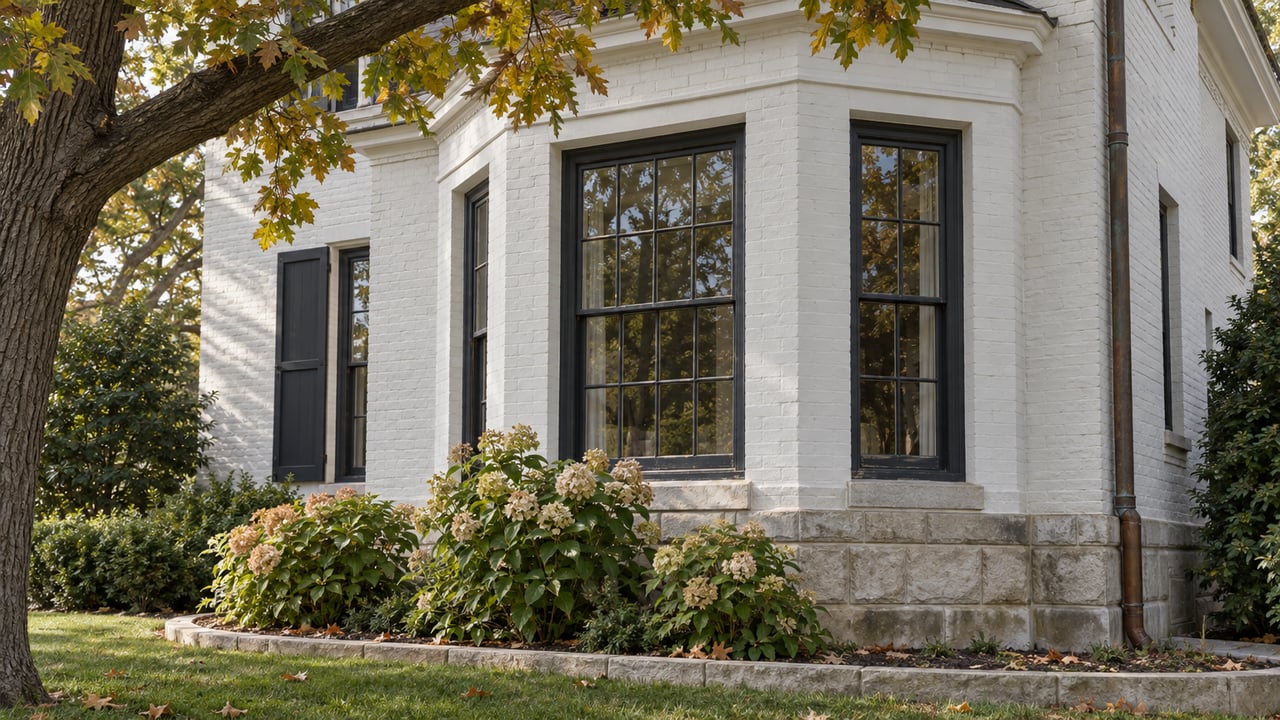
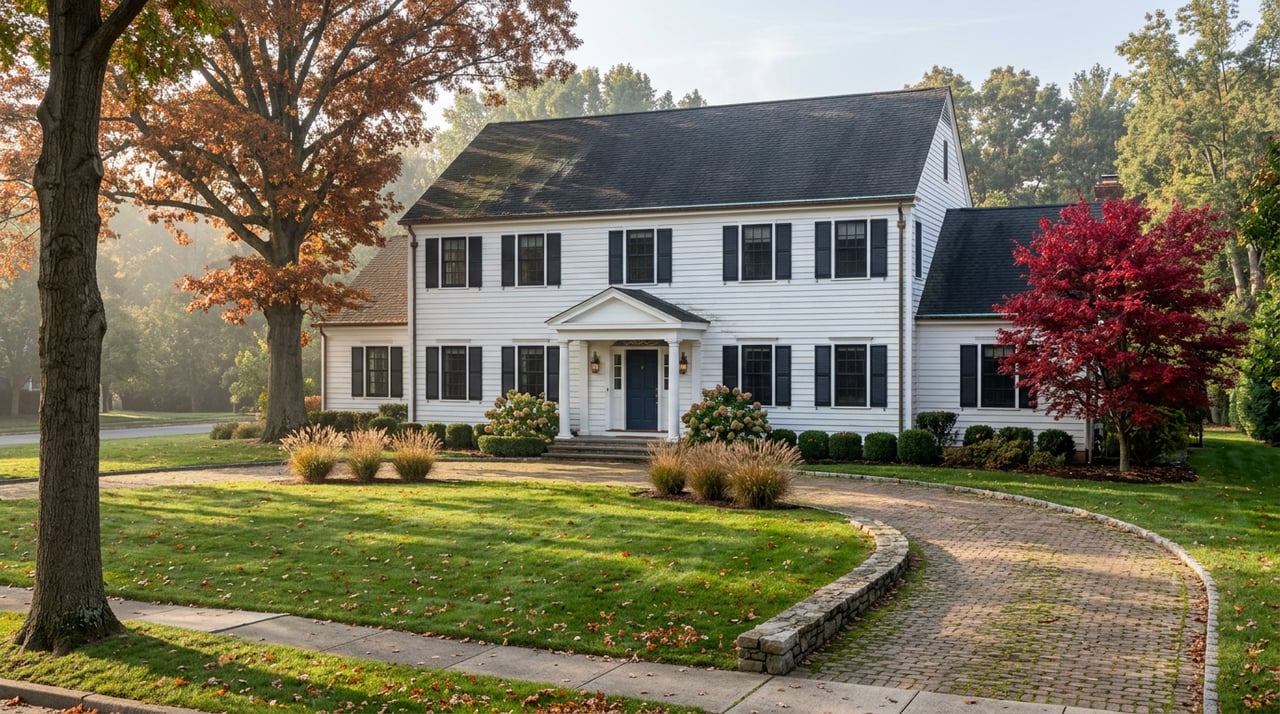
Before buyers ever step inside, they start forming opinions from the sidewalk and from the first listing photo. In neighborhoods with older architecture, the exterior often carries much of the home’s appeal.
For many Macalester-Groveland homes, that means paying close attention to the front walk, porch, entry door, trim, lighting, and visible hardware. Clean these areas thoroughly, make sure they feel aligned and maintained, and keep porch decor simple. One or two chairs often reads better than a crowded setup.
Your yard should feel cared for, not overworked. Trim landscaping, remove visible trash, and tidy the garage if it appears in photos or showings.
The living room is typically the most important room to stage. It is the room agents stage most often, and it is often one of the first spaces buyers see in listing photos.
Start by removing enough furniture to show easy circulation. Then arrange the remaining pieces around the room’s natural focal point, whether that is a fireplace, a large window, or built-in woodwork.
This is especially important in older homes, where layout and scale may feel different from newer construction. Buyers should be able to understand the flow of the room right away.
Dining rooms still matter in listing presentation, especially in older Saint Paul homes where these rooms often have clear architectural identity. Buyers should be able to tell immediately how the space functions.
A simple table setting, balanced chairs, and a clear path to the kitchen can help the room read well. Avoid turning the dining room into a storage zone, oversized office, or mixed-use catchall.
If the room is small, less is more. The goal is to show proportion and function, not to fill every corner.
In most homes, the kitchen does not need a full cosmetic overhaul to show well. It usually needs to look spotless, bright, and usable.
Clear the counters as much as possible. Remove small appliances, paperwork, magnets, dish soap, and anything else that pulls attention away from the workspace.
Camera lenses tend to exaggerate clutter and grime. That means your kitchen needs to be photo ready, not just acceptable for daily life.
The primary bedroom should feel restful and easy to understand. A calm, symmetrical setup usually works best.
Use neutral bedding, limit personal items, and simplify surfaces like dressers and nightstands. If the room feels tight, remove extra furniture so the layout looks more spacious.
You do not need to heavily stage every other bedroom. Secondary bedrooms can be lightly furnished and neatly edited without the same level of investment.
Bathrooms are small, but buyers notice them quickly. Deep cleaning matters here as much as styling.
Remove toiletries, clear counters, wash mirrors, brighten the lighting, and make the room feel fresh and depersonalized. Even a beautiful home can lose momentum if a bathroom looks cluttered or neglected.
Storage also needs attention. Closets, cabinets, and pantries should look roomy rather than packed. In older homes, that visual breathing room can help buyers feel more confident about everyday function.
Older homes often have spaces that have evolved over time. A sunroom may also be an office. A lower level may hold workout gear, storage bins, and a TV area all at once.
That kind of overlap makes sense when you live there, but it can confuse buyers. For listing prep, give each flexible room one clear purpose so buyers can understand how the home lives day to day.
This is one of the simplest staging upgrades you can make, and it often has an outsized impact.
Photos are a major part of how buyers evaluate a home. In NAR’s 2025 staging report, 73% of buyers’ agents said photos were more important or much more important to clients than physical staging, videos, or virtual tours.
That means your final listing condition should match your media. If the home looks clean, bright, and spacious in photos, it should feel the same way in person.
Before the photographer arrives, make time for a final pass:
In Macalester-Groveland, the biggest staging mistakes are usually not dramatic design missteps. They are mismatches between the home and the way it is presented.
Be careful not to cover up character with generic styling. Also avoid personal photos, overstuffed closets, poor lighting, exterior neglect, and unfinished DIY repairs.
Most importantly, do not use staging to distract from deferred maintenance. Buyers notice when presentation and condition tell different stories.
The strongest staging plan for a Macalester-Groveland home is usually the simplest one. Clean thoroughly, edit aggressively, define each room clearly, and highlight the architectural details that already give the home its identity.
That approach fits the neighborhood’s preservation-minded context and aligns with what buyers respond to online. It also supports better photography, more confident showings, and a more cohesive first impression.
If you want thoughtful guidance on how to prepare your home for market, Natasha Cejudo offers staging and design-informed advice tailored to Saint Paul homes and the buyers who shop them.

Blog
Which is why this newsletter is over four hours late.
Market Update
October 5 to 12, 2026

Blog
September 27 to October 5, 2026

Market Update
All in good light

Market Update
Here's what closed between September 13 and September 21, neighborhood by neighborhood.
Natasha prides herself on an honest, transparent, and comprehensive approach based on mutual understanding and clear communication. She is patient, insightful, attentive, and responsive; her professionalism, humor, and candid approach make her a joy to work with. If you are considering a move this year or next, she would welcome a conversation with you!