Bienes Raíces
Lifestyle

Lifestyle
June is Immigrant Heritage Month. I would like to tell you my story of home.
This is not a short story. Pour something.
This is my grandfather, Maximilian Bravo.
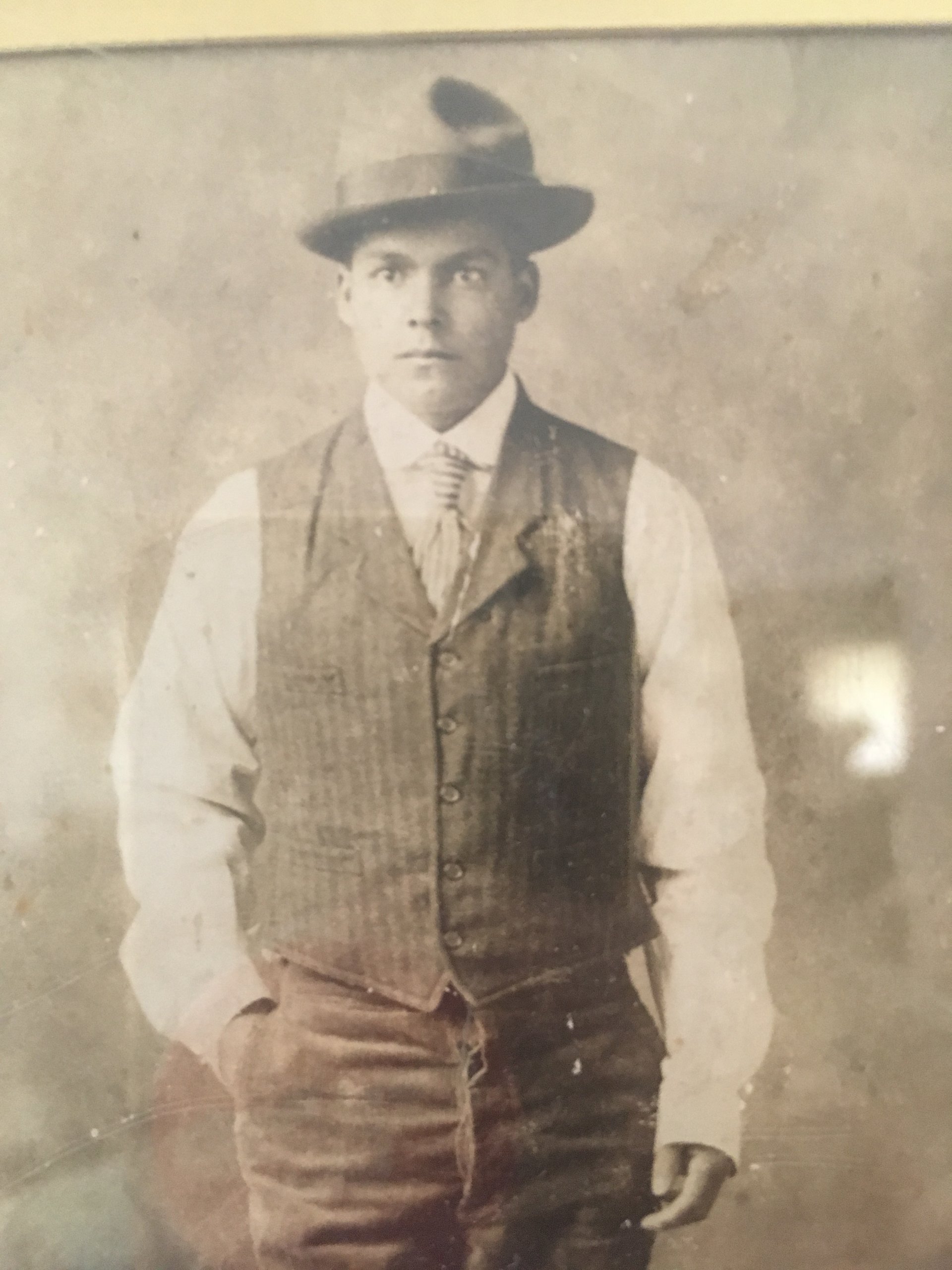
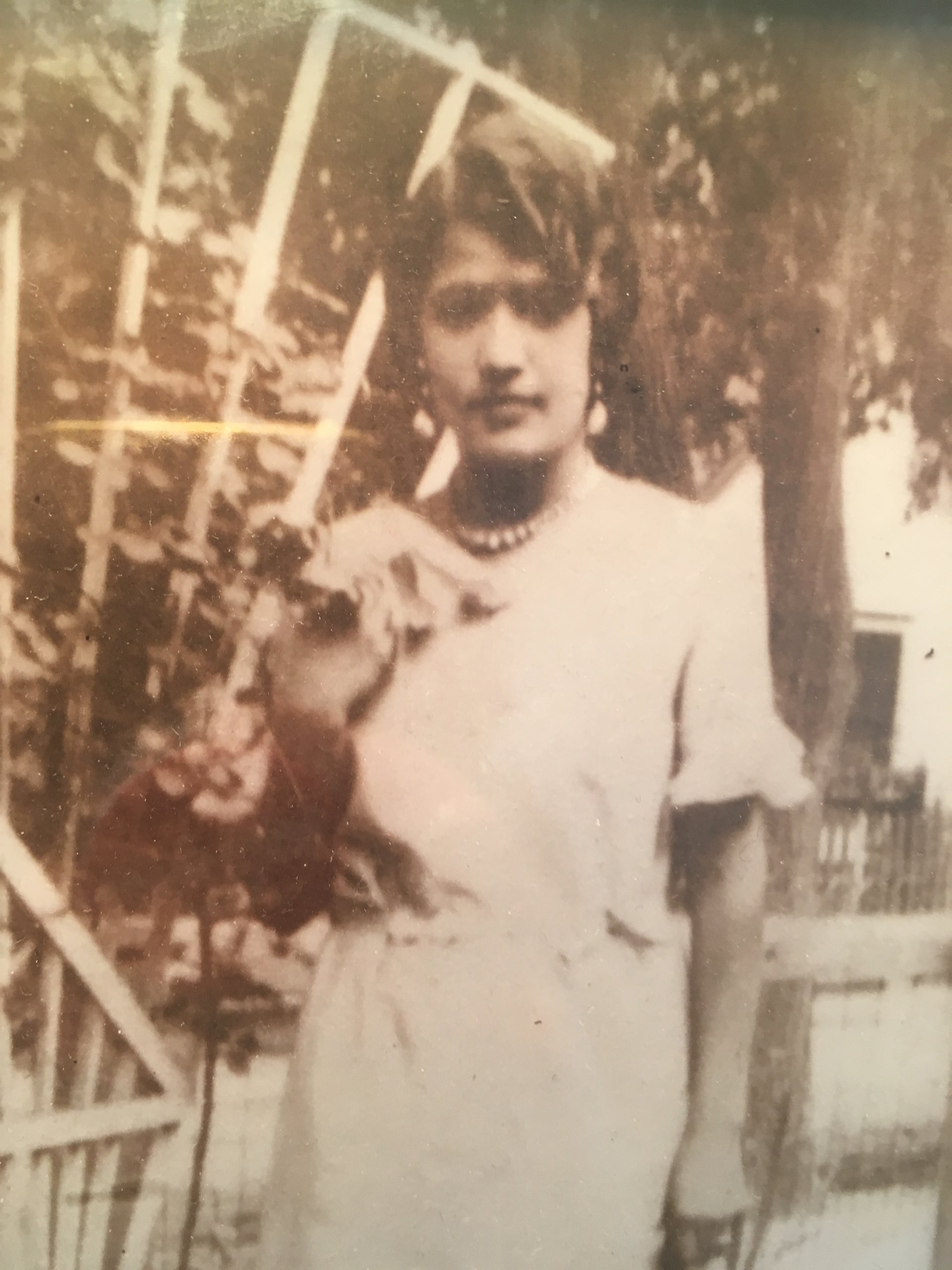
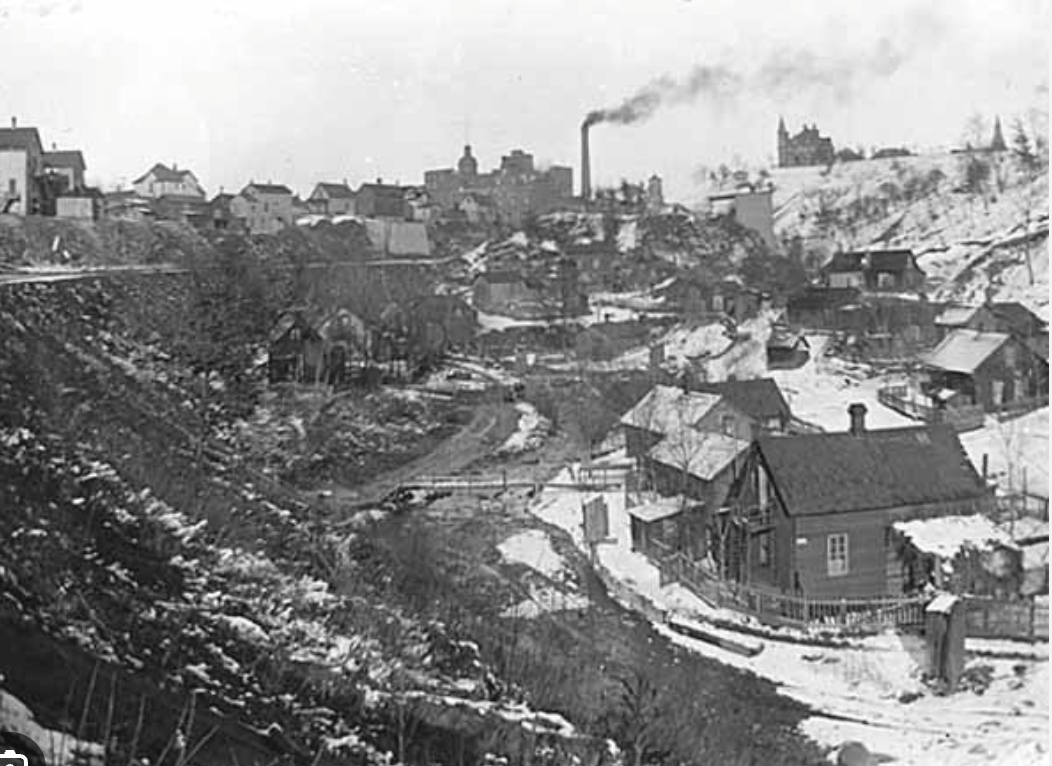
They settled on the East Side of St. Paul, in a ravine community called Swede Hollow, where Swedish, Italian, and Mexican immigrant families had built homes along Phalen Creek for over a century — quietly, without city water or city sewers, without anyone asking their opinion about it.
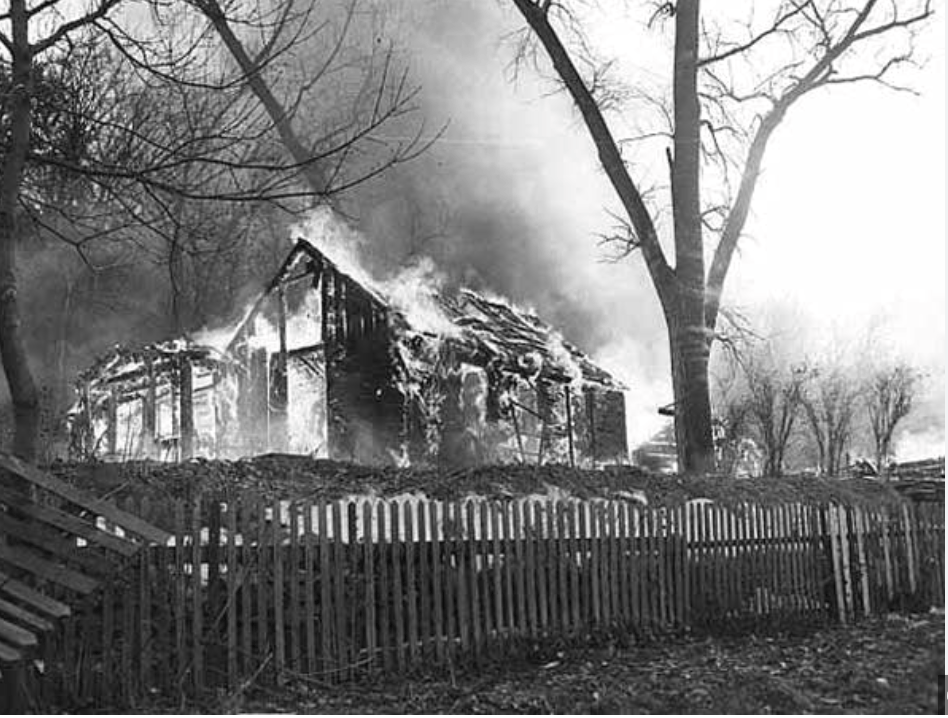
In 1956, the city condemned Swede Hollow. The remaining families — 85 people — were given little warning, no compensation, and no recourse. The homes were burned to the ground by the St. Paul Fire Department on December 11th of that year.
I think about that a lot.
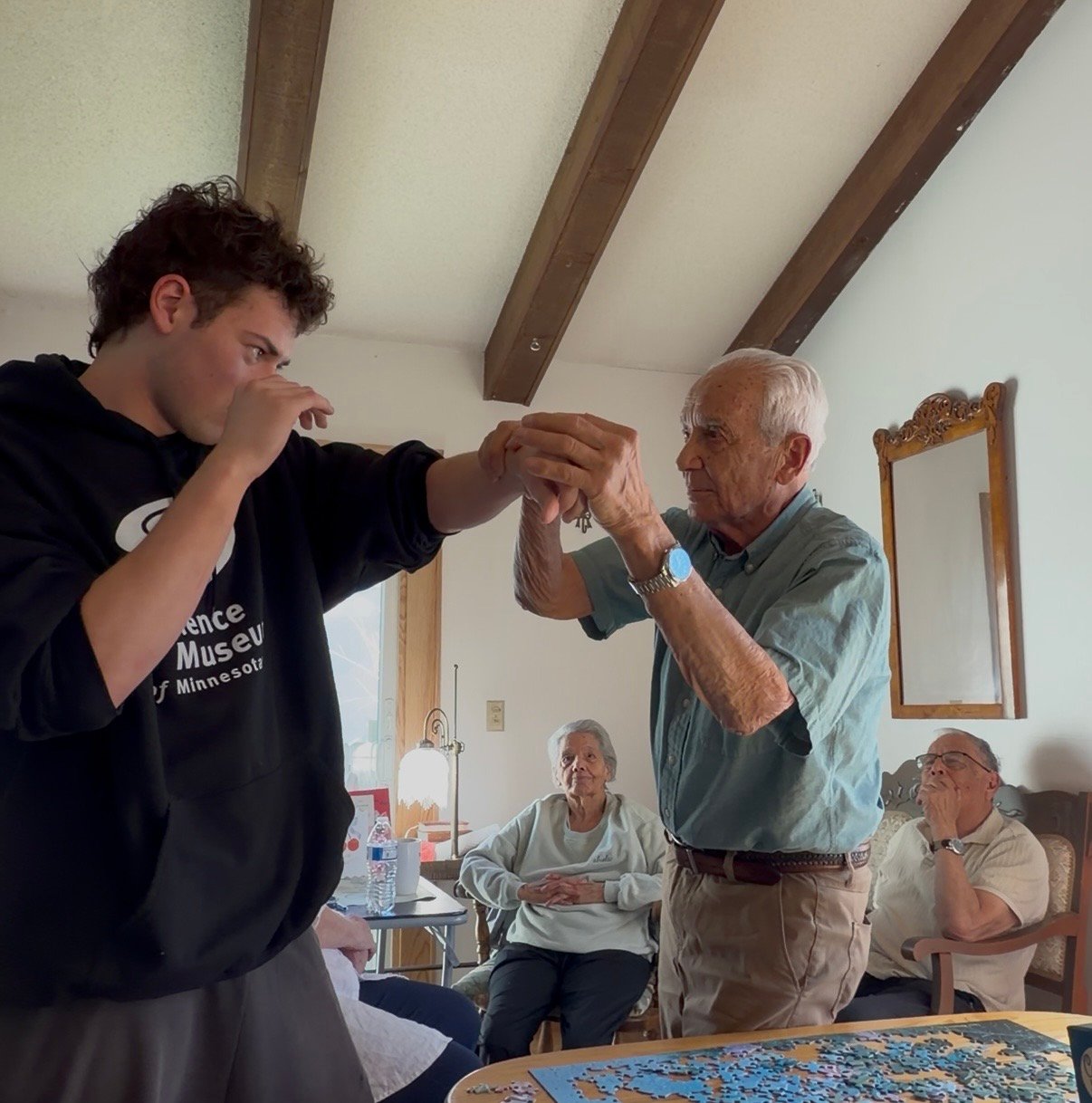
The Bravo children scattered and rooted. My uncle Pete — Manuel Bravo — founded what would become El Burrito Mercado on the West Side, the institution that has anchored St. Paul's Mexican American community for decades. My uncle Fidel, known as Del Bravo, became a boxing legend — his name now on the wall at Mancini's, his hands still teaching. He turned 90 this year. Last month he was correcting my son's jab like the title was still on the table. Some gifts skip nothing. They pass hand to hand, generation to generation.
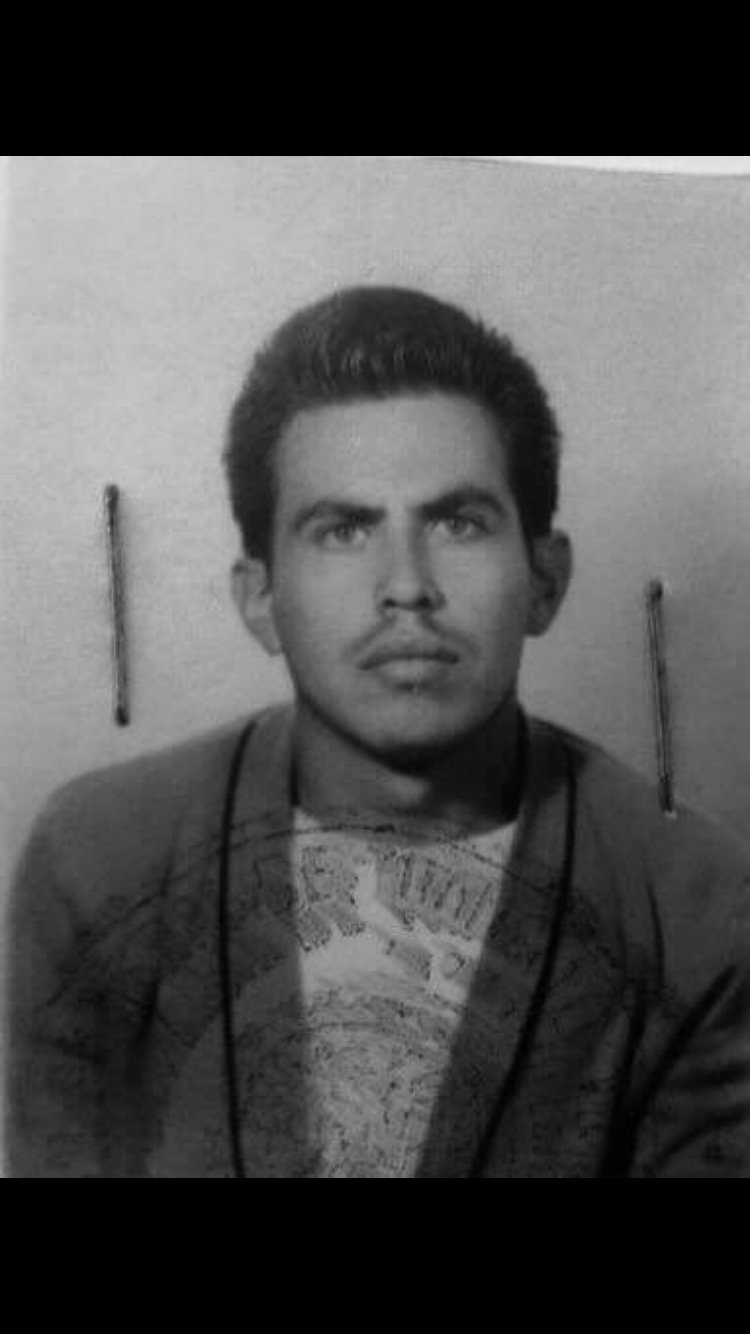
Then there is my father. Joel Cejudo Reyes
THE ARCHITECTURE OF BELONGING
I became a real estate advisor because I understand what it costs to find a place and what it means to lose one. Because home is not a transaction. It is the thing people cross deserts and revolutions and generations to reach.
Out of that understanding came Enamórate — a campaign dedicated to the beauty, the architecture, and the extraordinary real estate of Mexico. It is also, I'll say, one of the reasons I am proud to be a part of Sotheby's International Realty. This is a brand that has always understood that luxury is not just a price point — it is a world view. One that recognizes beauty across borders, that moves as fluidly between San Miguel de Allende and Summit Hill as it does between clients who know exactly what home means to them. Multiculturalism is not a talking point here. It is the architecture of the brand itself.
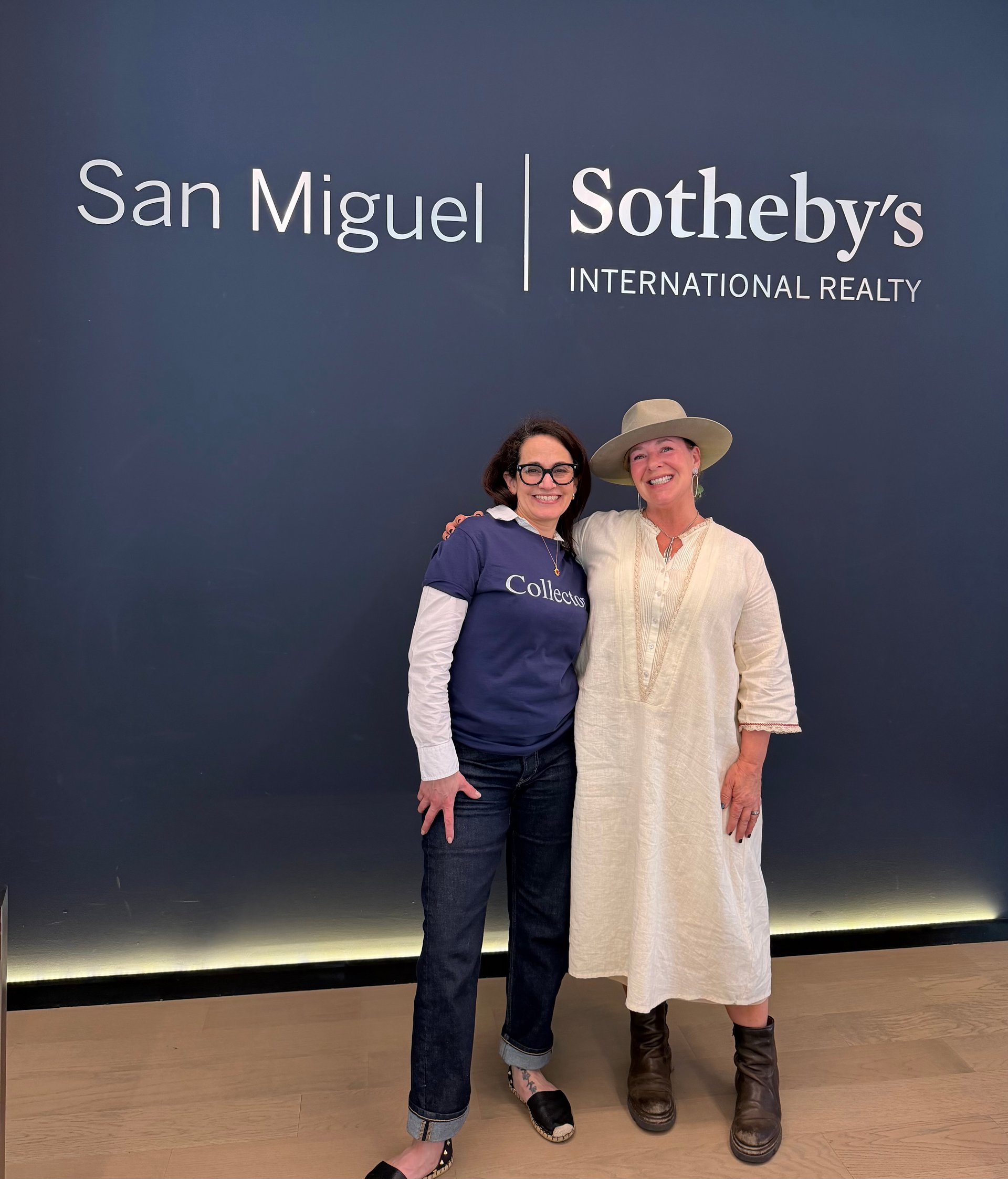
Pictured: my friend and San Miguel Sotheby's International Realty agent Maggie Bolin — a Midwesterner who fell so completely in love with Mexico she never came back.
This month, I am celebrating. Loudly. Joyfully. On purpose.
In Spanish, the word for real estate is bienes raíces. Literally: good roots. The things of value that grow from the ground up. I have spent my entire career in bienes raíces without fully saying out loud what that word has always meant to me personally — until now.
And this year, watching my city rise to defend its neighbors — I am especially proud to call this place home.
Para la familia Bravo. Para la familia Cejudo. Para todos. ❤️
Here in St. Paul — across Macalester-Groveland, Highland Park, Summit Hill, and Summit University — I remain your advisor and your neighbor.
If you are ready to find your home in St. Paul — or if Mexico has been calling your name — I would love to have that conversation.
What neighborhoods does Natasha serve in St. Paul? Natasha specializes in four St. Paul neighborhoods: Macalester-Groveland, Highland Park, Summit Hill, and Summit University.
What is Weekly on Wednesday (W.O.W.)? W.O.W. is Natasha's weekly newsletter, blending personal storytelling, St. Paul history and culture, market insights, and featured listings — written in her own voice, not a template.
What is the current real estate market like in St. Paul? [To be updated with current MAAR average sales price data at month's end.]
Who is Natasha Cejudo? Natasha is a luxury real estate advisor with Lakes Sotheby's International Realty, specializing in St. Paul's Macalester-Groveland, Highland Park, Summit Hill, and Summit University neighborhoods. She also leads Enamórate, a campaign dedicated to real estate and connection in Mexico.
Market Update
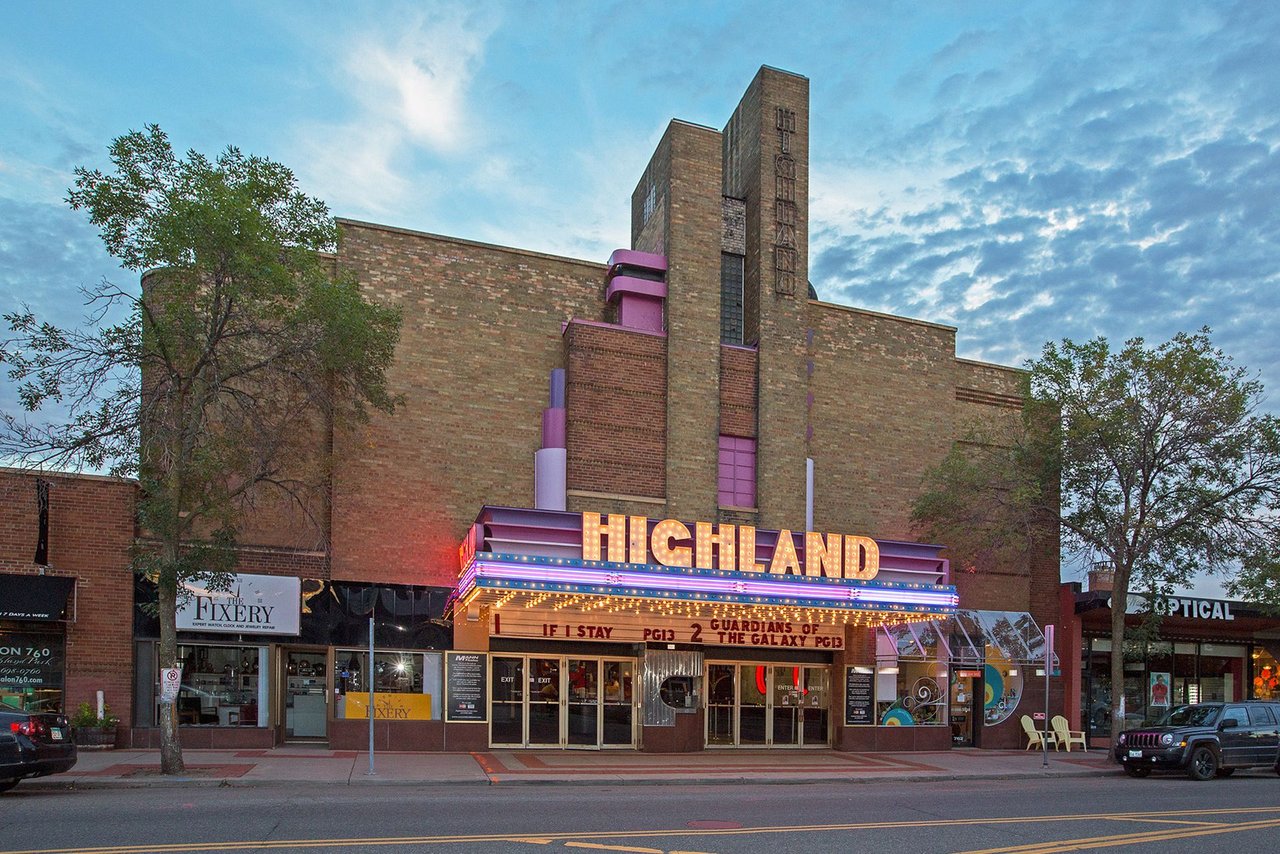
Macalester-Groveland, Highland Park, Summit Hill, Summit University & Merriam Park | October 12 to 19, 2026

Blog
Which is why this newsletter is over four hours late.
Market Update
October 5 to 12, 2026
Blog
September 27 to October 5, 2026

Market Update
All in good light
Natasha prides herself on an honest, transparent, and comprehensive approach based on mutual understanding and clear communication. She is patient, insightful, attentive, and responsive; her professionalism, humor, and candid approach make her a joy to work with. If you are considering a move this year or next, she would welcome a conversation with you!