The New Homes at Highland Bridge Are Selling Slower Than the Old Ones Around Them
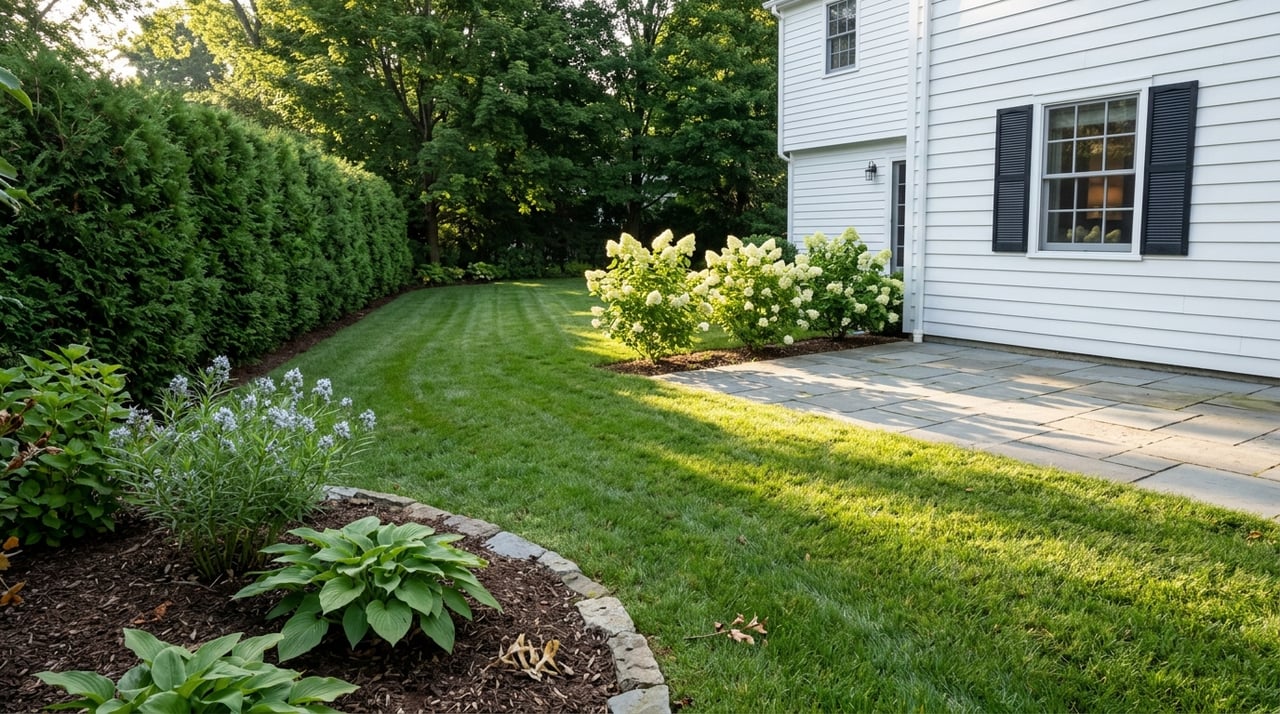
Walk the new rowhome streets at Highland Bridge this month and you'll pass at least a handful of homes that have been on the market for close to two months. As of early August 2026, nine Pulte-built rowhomes were listed for sale in the development, at a median asking price of $697,990 and an average of 58 days on the market. A three-bedroom unit at 838 Woodlawn Avenue was asking $679,990. Down the street, 2273 Beechwood Avenue was listed at $709,990.
Meanwhile, a few blocks away on streets full of 1940s bungalows and 1930s Tudor Revivals, homes were moving in about half that time. Redfin's snapshot of the broader Highland neighborhood for January 2026 put the average time on market at 28 days, with a median sale price of $450,000.
That gap is the story. Highland Park does not have one housing market right now. It has two, and they are not competing with each other the way a single neighborhood median would suggest.
Highland Bridge is the 135-acre redevelopment of the former Ford Motor Company assembly plant along the Mississippi River, and after a stall that ran from 2022 through most of 2025, it is building again. The City of Saint Paul amended its developer agreements with master developer Ryan Companies in May 2025, clearing the way for builders to resume work on residential and commercial parcels that had been frozen by rising construction costs, financing difficulty, and the city's rent control ordinance.
The pace since then has been real. Ryan Companies broke ground on the Gateway project in June 2025, a 97-unit market-rate building with about 23,000 square feet of retail, and told the city's Housing and Redevelopment Authority the building is on track for turnover in October 2026, just weeks from now. Part of what makes that building notable: its east facade, facing the new Civic Square, will incorporate salvaged architectural elements pulled from the original Ford plant, including friezes that have been stored on site since demolition.
Two more apartment blocks are queued behind it. Block 11, a roughly 175-unit building with about 2,000 square feet of retail, was set to start construction in late spring or summer 2026 with occupancy expected in winter 2027 into 2028. Block 16, planned for about 180 units, follows roughly a year after that. Pulte's for-sale rowhome district, separately, is expected to wrap up its 167 units in late 2026 or early 2027.
Total build-out for the site has actually shrunk since the project was first announced. Ryan Companies' original 2021 estimate put the development at roughly 3,800 housing units. By the time St. Paul's Planning Commission reviewed the project in May 2026, staff were citing a revised range of 2,600 to 2,800 units, still a large number, but a meaningfully smaller one than the original pitch. That's worth knowing if you're trying to size up how much new supply is actually headed for this corner of the city over the next several years, rather than the decade-old headline figure.
Here's where the numbers stop rhyming.
| Highland Bridge (new construction) | Highland Park resale | |
|---|---|---|
| Typical asking/sale price | $697,990 median list, active listings Aug. 2026 | $450,000 median sale, Jan. 2026 |
| Price per square foot | $389.03 average, Aug. 2026 | $274 median, Jan. 2026 |
| Average days on market | 58 days, Aug. 2026 | 28 days, Jan. 2026 |
| Year-over-year direction | New product, no prior-year comp | Sale volume down roughly a third (51 homes sold in Jan. 2026 vs. 75 in Jan. 2025), even as price per square foot rose about 19% |
A separate data source, Homes.com, put Highland Park's trailing 12-month median sale price at $500,000 as of its February 2026 update, up 11% from the prior 12 months. That's a different boundary and calculation window than Redfin's neighborhood snapshot, but the direction agrees: resale prices have kept climbing while the number of homes actually changing hands has thinned out.
Put those two columns side by side and the contradiction is plain. The newer, more expensive product is sitting longer. The older, cheaper product is moving faster, on fewer transactions, at a rising price. If you only looked at a single blended "Highland Park median," you'd miss both stories.
This isn't a sign that Highland Bridge is struggling. It's a sign that the two products are drawing from different buyer pools entirely.
A resale bungalow or Tudor in established Highland Park competes against a genuinely small set of alternatives: other character homes in walking distance of Mississippi River Boulevard, Hidden Falls Regional Park, or the Highland National Golf Course. When inventory in that pool drops by a third, as it did between January 2025 and January 2026, the buyers left standing are bidding over a shrinking number of options, and that pressure shows up as speed, not just price.
A new Pulte rowhome at Highland Bridge is playing a different game. It's competing against every other new-construction option in the Twin Cities metro at a similar price point, not just the handful of houses on its own block. Buyers shopping $680,000 to $740,000 new construction are cross-shopping builders across the region, weighing floor plans, garage configurations, and HOA structures against each other. That's a wider, more deliberate search, and it naturally takes longer to close.
Neither pace is a red flag. They're just different markets wearing the same zip code.
If you're deciding between Highland Park and another Twin Cities neighborhood, the practical move is to stop treating "Highland Park" as one number and instead ask which of its two markets you're actually shopping in.
Part of what a Highland Bridge price is buying isn't just square footage. It's proximity to a growing retail and grocery footprint that didn't exist on this site a decade ago. Lunds & Byerlys opened its store within the development in 2022, anchoring The Collection, a mixed-use building that also includes Weidner-operated market-rate apartments. The current construction wave adds more retail to that mix along Ford Parkway, with three commercial buildings and a daycare tenant, Tierra Encantada, expected to open in 2026.
That's a meaningfully different amenity package than what a resale buyer gets a half mile away on a quiet residential street, and it's part of why a straight price-per-square-foot comparison between the two markets undersells what's actually different about them.
Is Highland Bridge construction going to keep disrupting the area? Some, yes, at least through 2027. Block 11 and Block 16 are both still ahead, with Block 16 not expected to reach occupancy until roughly a year after Block 11. If ongoing construction noise or road changes matter to you, ask any listing agent exactly which block a property borders and what's still queued nearby.
Does new supply at Highland Bridge push resale prices down elsewhere in Highland Park? The data so far doesn't show that. Resale prices per square foot rose about 19% year over year even as new units came online, which fits the idea that the two products aren't drawing from the same buyers.
Is it a good time to buy a resale home if inventory is this tight? That depends entirely on your timeline and how much competition you're willing to take on. A market moving in under 30 days with a shrinking number of listings rewards buyers who are pre-approved, decisive, and working with someone who can move quickly on new listings the day they appear.
If you're trying to figure out which of these two Highland Park markets actually fits what you're looking for, or how either one stacks up against Merriam Park, Mac-Groveland, or Summit Hill, that's exactly the kind of comparison Natasha Cejudo walks clients through block by block. Let's connect, and start the conversation.

Blog
Hispanic Heritage Month, Mexican Independence Day, and the Humanitarian Award Minneapolis Just Earned
Market Update
Macalester-Groveland, Highland Park, Summit Hill, Summit University & Merriam Park | August 31–September 8, 2026

A newsletter for the week when we're not quite ready to let go
Market Update
Macalester-Groveland, Highland Park, Summit Hill, Summit University & Merriam Park | August 23–31, 2026
Home Buying Strategies
What Happened This Week
Natasha prides herself on an honest, transparent, and comprehensive approach based on mutual understanding and clear communication. She is patient, insightful, attentive, and responsive; her professionalism, humor, and candid approach make her a joy to work with. If you are considering a move this year or next, she would welcome a conversation with you!