Relocating To Mendota Heights: Orientation Guide

Is a short drive to the airport and downtown on your wish list? If you are relocating to the Twin Cities, Mendota Heights offers a calm suburban feel with quick access to St. Paul, Minneapolis, and riverfront green space. This guide gives you a clear lay of the land so you can choose a home and settle in with confidence. You will leave with practical details on housing, commutes, parks, schools, utilities, and a step-by-step checklist. Let’s dive in.
Mendota Heights sits just south and southwest of St. Paul in Dakota County, along the Mississippi River. You get a residential setting and easy access to regional parks and river trails. Typical drive times are short to downtown St. Paul and the airport, and reasonable to downtown Minneapolis.
MSP International Airport is especially convenient. Many residents report a 10 to 20 minute drive, depending on the terminal and traffic. For terminal maps, parking, and ground transport, explore the Minneapolis–Saint Paul International Airport site. If you commute by car, check live traffic and construction updates through MnDOT before you set out.
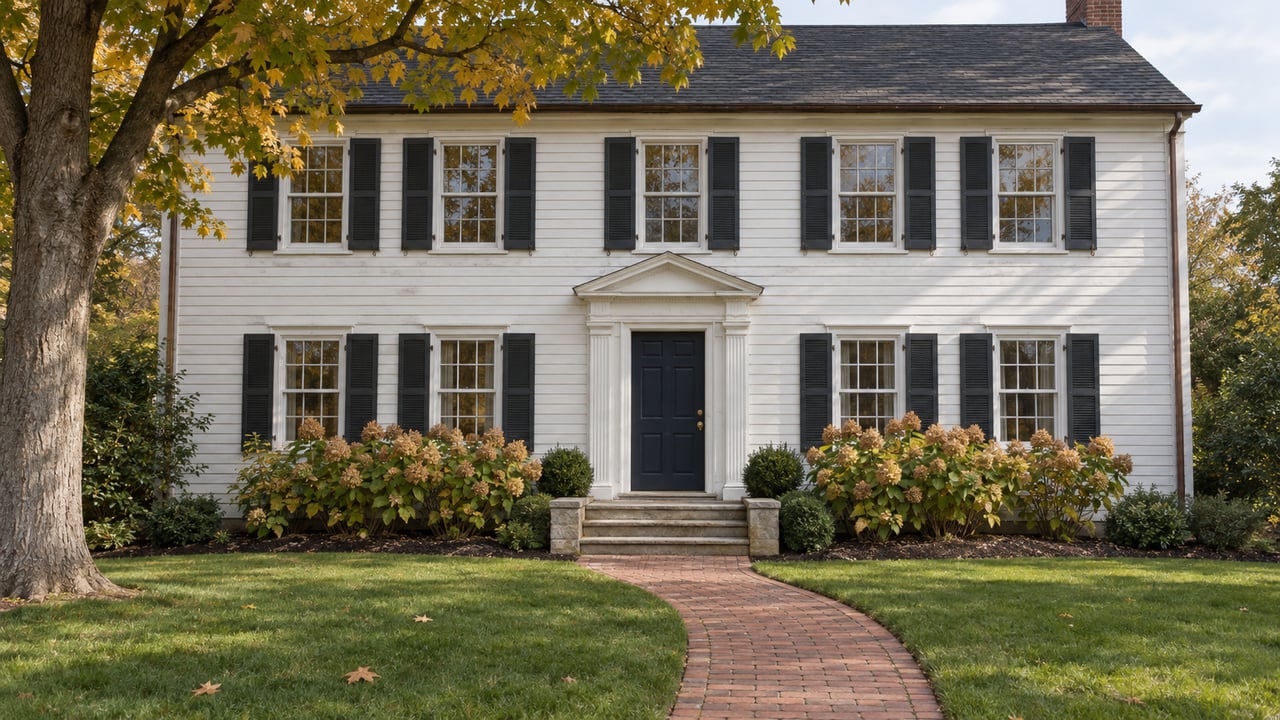
Most homes in Mendota Heights are single-family: ranch, split-entry, and two-story styles. You will also find townhomes and condos, though they are a smaller slice of the market. Along the river bluffs, higher-end homes sit on larger lots and often carry premium pricing.
To orient your budget, consider these approximate ranges. Condos and townhomes often start around the mid $200s to $400s. Entry single-family homes commonly land around $350k to $550k. Updated 3 to 4 bedroom homes tend to sell in the $500k to $800k range. Larger-lot and river-adjacent properties can reach $800k to $1.5M or more, depending on lot, views, and finishes. Always verify current values using live local data and a trusted agent since pricing shifts with inventory.
If you value lower maintenance, townhomes and condos can be a smart fit. If you want more land or privacy, target single-family neighborhoods or bluff-side streets. New construction is limited compared to newer suburbs, but you will see occasional infill builds and renovations.
Well-priced, move-in-ready homes often draw quick attention. Updated kitchens and baths, newer roofs and HVAC systems, and a clean inspection can shorten days on market. Homes near parks and with easy access to MSP and St. Paul tend to be popular.
If schools are part of your decision, note that attendance zones vary by address. Many buyers review the ISD 197 boundary and enrollment details before submitting offers. Remember to confirm any association dues, special assessments, or unusual lot conditions early in your review.
The Mississippi River bluffs and the confluence with the Minnesota River shape the area’s landscape and trail network. You will have quick access to scenic overlooks, birding, and biking.
If you are considering a river-edge lot, ask about floodplain overlays and bluff setbacks. The city and county maintain planning and environmental guidance, which can affect decks, additions, and landscaping.
Schools: Much of the city is served by West St. Paul–Mendota Heights–Eagan ISD 197. Because boundaries vary by street, confirm your address placement and transportation options through the ISD 197 site. Private and parochial options exist across the metro.
Shopping and dining: Daily needs are covered by local commercial nodes in and near Mendota Heights, with larger retail areas a short drive away. You will also find bigger shopping destinations in nearby Bloomington and south metro corridors. Many residents appreciate the mix of quick errands close to home and major retail within 15 to 20 minutes.
Health care: Major hospital systems in St. Paul and surrounding suburbs are within a short drive, plus local clinics and urgent care options around the south metro. If specific providers matter to you, map drive times during peak hours.
Utilities and internet: Electricity and natural gas are provided by the region’s established utilities, and water and sewer are municipal. For setup and service questions, start with the City of Mendota Heights. Internet speeds vary by street, so confirm fiber or cable availability during your inspection period.
Property taxes and owner costs: Property taxes are administered by Dakota County. Use county resources for parcel lookups, estimates, and payment schedules. For details and current rates, go to Dakota County property and tax resources. Budget for any HOA dues, home insurance, and common Minnesota closing items such as radon testing and tax prorations.
Auto commuting is straightforward thanks to quick access to the south metro freeway network. Typical drives are about 10 to 20 minutes to downtown St. Paul and MSP, and roughly 20 to 35 minutes to downtown Minneapolis, depending on traffic. Check MnDOT traffic updates for construction and peak-hour conditions.
Metro Transit provides bus service to many south metro routes. Frequency and directness vary, and there is no light rail station within Mendota Heights. You can plan routes and review park-and-ride options on Metro Transit.
For air travel, review parking, rideshare, and terminal logistics on the MSP Airport site. Frequent flyers often cite Mendota Heights as a top choice for minimizing airport time.
River-adjacent homes can come with special considerations. Floodplain overlays, bluff setback rules, and soil stability can influence additions, tree removal, and retaining walls. During your inspection window, request disclosures, consult local planning resources, and consider a geotechnical opinion before major work.
Start with city planning pages and county environmental maps to understand any constraints. The City of Mendota Heights and Dakota County publish planning and environmental guidance for property owners.
Pre-move
Arrival and first weeks
Longer term
A strong relocation plan blends data with on-the-ground context. You get the most value from an advisor who knows neighborhoods street by street and can forecast how presentation, pricing, and timing impact your outcome.
Here is how I support relocators:
When you are ready to explore Mendota Heights with a calm, consultative partner, connect with Natasha Cejudo. We will map your options and move at a pace that fits your timeline.

Blog
Which is why this newsletter is over four hours late.

Market Update
October 5 to 12, 2026
Blog
September 27 to October 5, 2026

Market Update
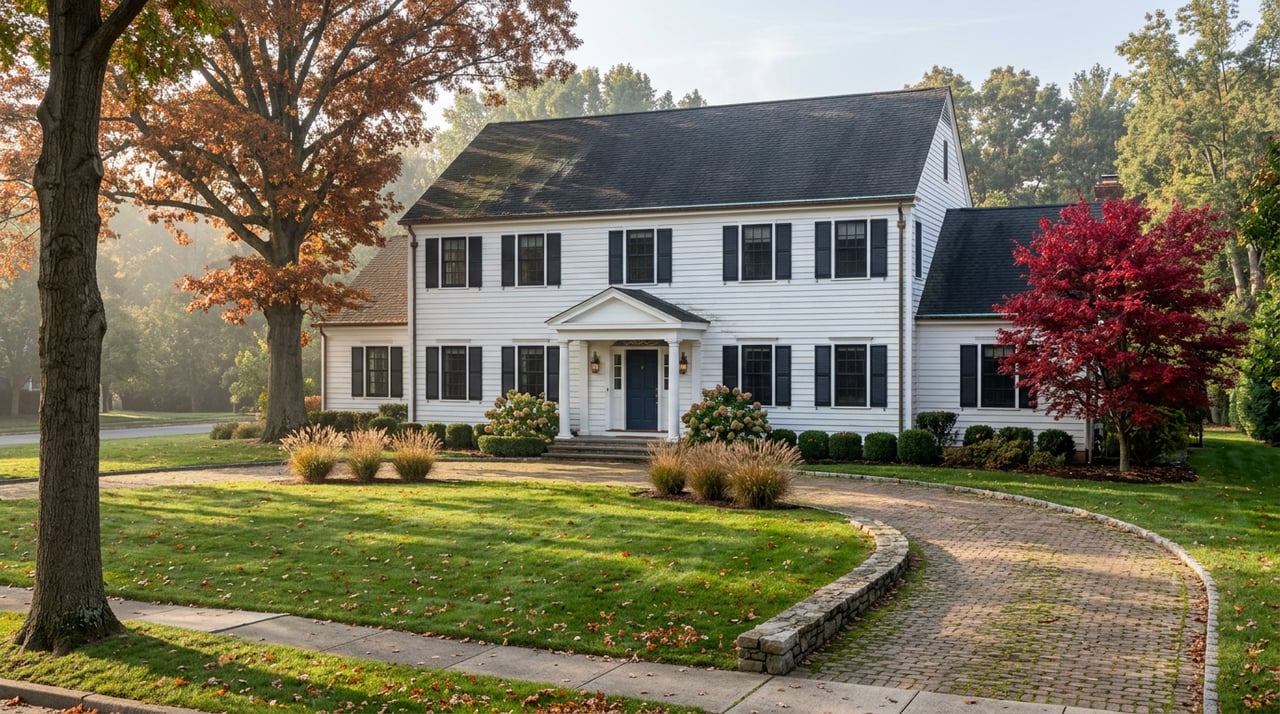
All in good light
Market Update
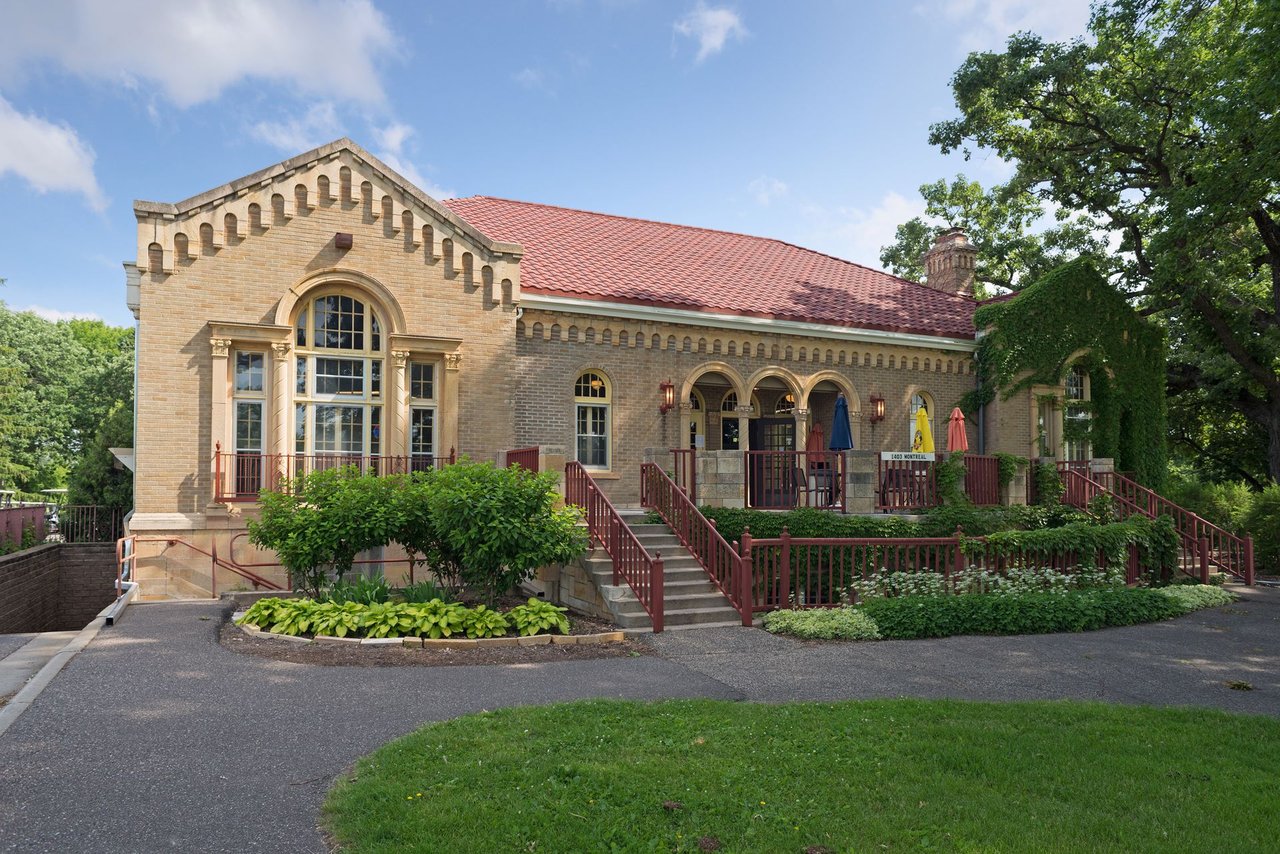
Here's what closed between September 13 and September 21, neighborhood by neighborhood.
Natasha prides herself on an honest, transparent, and comprehensive approach based on mutual understanding and clear communication. She is patient, insightful, attentive, and responsive; her professionalism, humor, and candid approach make her a joy to work with. If you are considering a move this year or next, she would welcome a conversation with you!