How to Sell a Historic Home in Summit-University
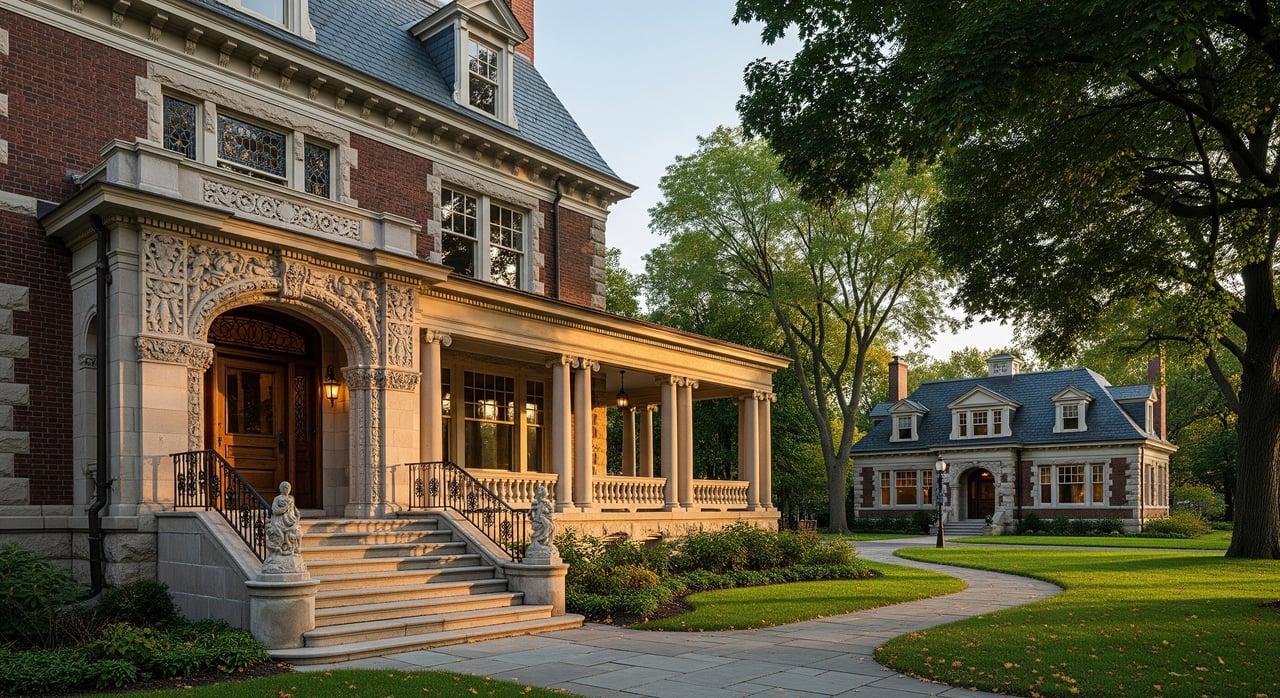
Thinking about selling your Summit‑University historic home and wondering what you can change, fix, or feature? You are not alone. These homes have character buyers love, but they also come with rules and nuances that affect timing, budget, and pricing. In this guide, you will learn how St. Paul’s preservation reviews work, what to update before listing, how to stage with respect for period details, and how proximity to Summit Avenue can influence value. Let’s dive in.
Historic homes in Summit‑University can carry national, state, or local designations. Each affects your sale differently. Understanding the differences will help you plan updates, approvals, and disclosures with confidence.
A listing on the National Register of Historic Places is mostly honorary for private owners. By itself, it does not restrict what you can change unless federal funding, federal permits, or federal tax credits are involved. Many buyers appreciate the prestige, but local rules are usually what guide exterior work.
If your home sits within a local historic district or is designated a local landmark, St. Paul’s Heritage Preservation Commission oversees exterior changes. Typical triggers include demolition, additions, porch alterations, window replacement on street‑visible sides, siding or masonry changes, and major roofing changes that are visible from the right‑of‑way. Local rules are enforceable and can shape both your pre‑listing plan and buyer expectations.
Local preservation rules focus on exterior appearance and public‑facing character. Interiors are generally not regulated unless a specific landmark designation requires it. Routine interior staging or maintenance usually does not need historic review, which makes smart interior updates a fast way to boost appeal before you list.
Knowing when approvals are required helps you avoid delays. If you plan visible exterior work, build a simple plan and timeline before you invest.
Many exterior changes in local districts require a Certificate of Appropriateness or similar Heritage Preservation Commission approval. Minor, in‑kind repairs may qualify for administrative staff approval. Building permits are separate and can be required in addition to preservation review, so start both tracks early if needed.
If your sale depends on completed exterior work, secure approvals and permits before you list. For cosmetic interior staging or non‑regulated maintenance, approvals are not typically required. If you are unsure whether a pre‑listing change needs review, schedule a staff consultation right away so you do not miss hearing calendars.
Your goal is to highlight original craftsmanship and make it easy for buyers to picture daily life. Preserve what is special, keep styling neutral, and choose reversible updates.
Small, visible fixes often deliver strong returns, especially on the porch, roof edges, paint, and entry details. Major interior overhauls rarely pay off right before listing unless they address a functional barrier for buyers. If a project likely requires preservation review, weigh the time and cost against your target listing date and decide whether to complete it now or disclose and price accordingly.
Summit‑University includes a range of historic homes, from grand Summit Avenue properties to smaller period houses and multi‑unit buildings. The right price and message depend on your home’s condition, location, and designation.
Summit Avenue is one of St. Paul’s most recognized historic corridors. Proximity can support stronger per‑square‑foot values, especially for homes with distinctive architecture and well‑maintained exteriors. Buyers here often look closely at historic condition, so thoughtful prep and documentation can make a real difference.
Prioritize comparable sales with similar designation status and recent dates. Homes within local historic districts can transact differently than nearby non‑designated homes. Obtain realistic estimates for exterior repairs, masonry, porch work, or roof needs, then reflect those costs in pricing or credits. Buyers often value existing approvals for planned changes because they reduce uncertainty.
Plan pre‑listing work that boosts curb appeal and readiness for inspections. For Summit‑adjacent properties, anticipate high interest and detailed questions. Marketing should emphasize notable features, any known architect or build date, documented preservation work, and proximity to cultural assets and transit. Consider guided tours or handouts that point out details buyers might miss on a quick walkthrough.
Historic sales move faster when your team understands the process and the materials. Ask prospective contractors for examples of past work on similar homes and any experience with local preservation approvals. Architects or preservation consultants can prepare drawings and narratives that help staff and commissioners understand your scope.
Clear communication helps buyers feel confident. Share a concise packet with feature highlights, system upgrades, maintenance records, and any prior approvals. Buyers who appreciate historic homes respond well to transparency and thoughtful stewardship.
If you are weighing repairs versus disclosure, deciding which approvals to secure, or mapping out a staging plan, a local, design‑savvy strategy will save time and improve your net. You deserve a calm process and premium presentation that respects your home’s character while meeting today’s buyer expectations. If you would like a tailored plan for your Summit‑University property, connect with Natasha Cejudo for a friendly, no‑pressure consultation.

Blog
Hispanic Heritage Month, Mexican Independence Day, and the Humanitarian Award Minneapolis Just Earned

Market Update
Macalester-Groveland, Highland Park, Summit Hill, Summit University & Merriam Park | August 31–September 8, 2026

A newsletter for the week when we're not quite ready to let go
Market Update
Macalester-Groveland, Highland Park, Summit Hill, Summit University & Merriam Park | August 23–31, 2026
Natasha prides herself on an honest, transparent, and comprehensive approach based on mutual understanding and clear communication. She is patient, insightful, attentive, and responsive; her professionalism, humor, and candid approach make her a joy to work with. If you are considering a move this year or next, she would welcome a conversation with you!