Buying A Historic Home In Summit-University
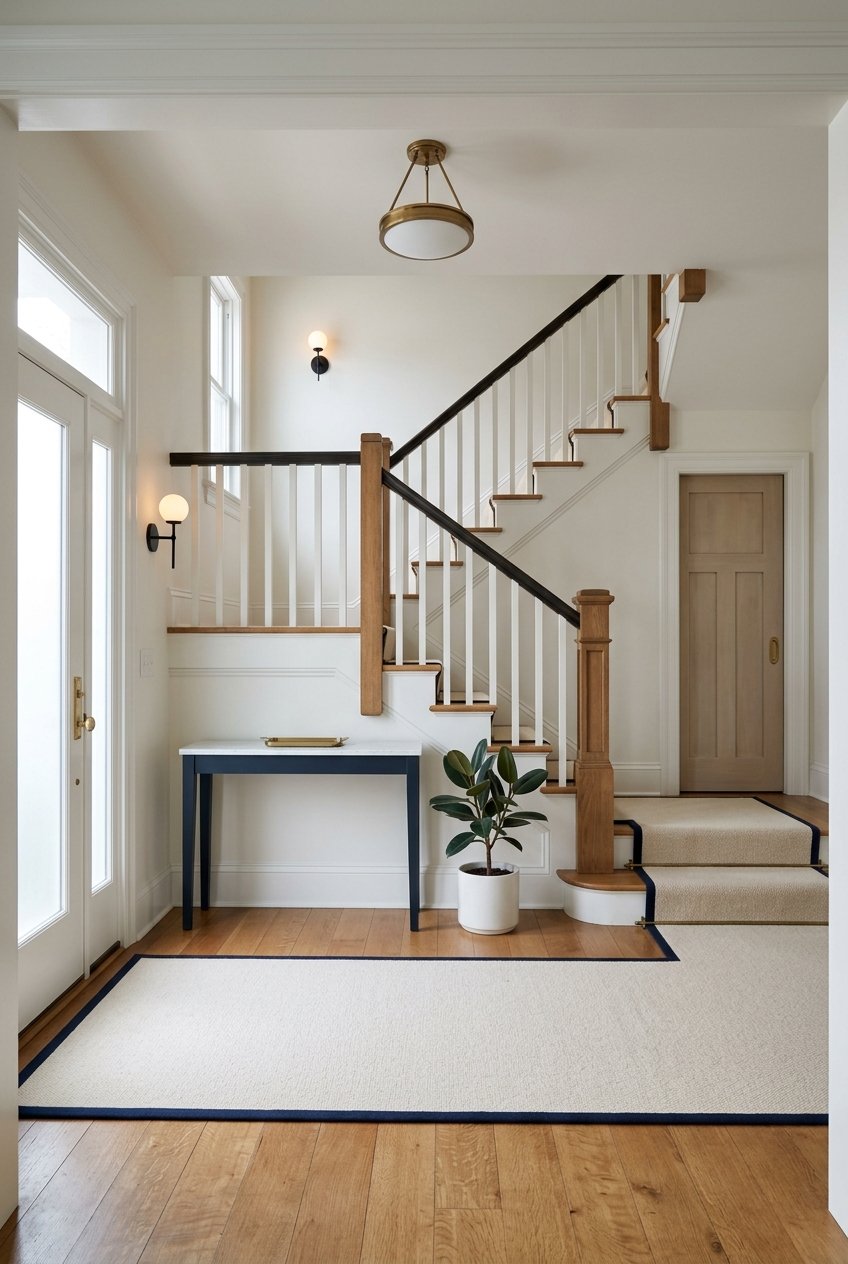
Dreaming about a historic home on Summit-University? It is easy to fall for the character, scale, and streetscape here, but buying an older home in this part of Saint Paul also means understanding what you can change, what you should preserve, and where costs can surprise you. If you want a clearer picture of how to shop smart in this neighborhood, this guide will walk you through the architectural context, preservation rules, and due diligence steps that matter most. Let’s dive in.
Summit-University, also known as District 8, sits just west of downtown Saint Paul. It is bounded generally by University Avenue to the north, Summit Avenue to the south, Lexington Parkway to the west, and an eastern edge formed by Summit Avenue, John Ireland Boulevard, and Marion Street.
What makes this area especially important for historic-home buyers is the age and significance of its housing stock. Saint Paul’s adopted District 8 plan notes that more than half of the district’s housing units were 65 years old or older at the time of the plan summary, and the plan emphasizes preserving historically significant structures and existing housing stock.
That focus is not just about individual houses. It is also about the broader look and feel of the neighborhood, including streetscapes, setbacks, sidewalks, and the architectural rhythm that gives Summit-University its identity.
If you are buying here, one of the first things to understand is that not every older home is regulated the same way. A house may be simply older, it may be a designated heritage site, or it may sit within a locally designated heritage district.
That distinction matters because Saint Paul requires Heritage Preservation Office approval for exterior projects on designated heritage properties and properties within historic districts. The city also notes that express permits are not available for historic structures or properties in historic districts, so timelines can differ from those of a typical home project.
For Summit-University buyers, the city’s current District 8 planning materials reference both the Historic Hill Heritage Preservation District Guidelines and the Summit Avenue West District Guidelines. Before you make plans for exterior changes, it is worth confirming exactly which rules apply to the property you are considering.
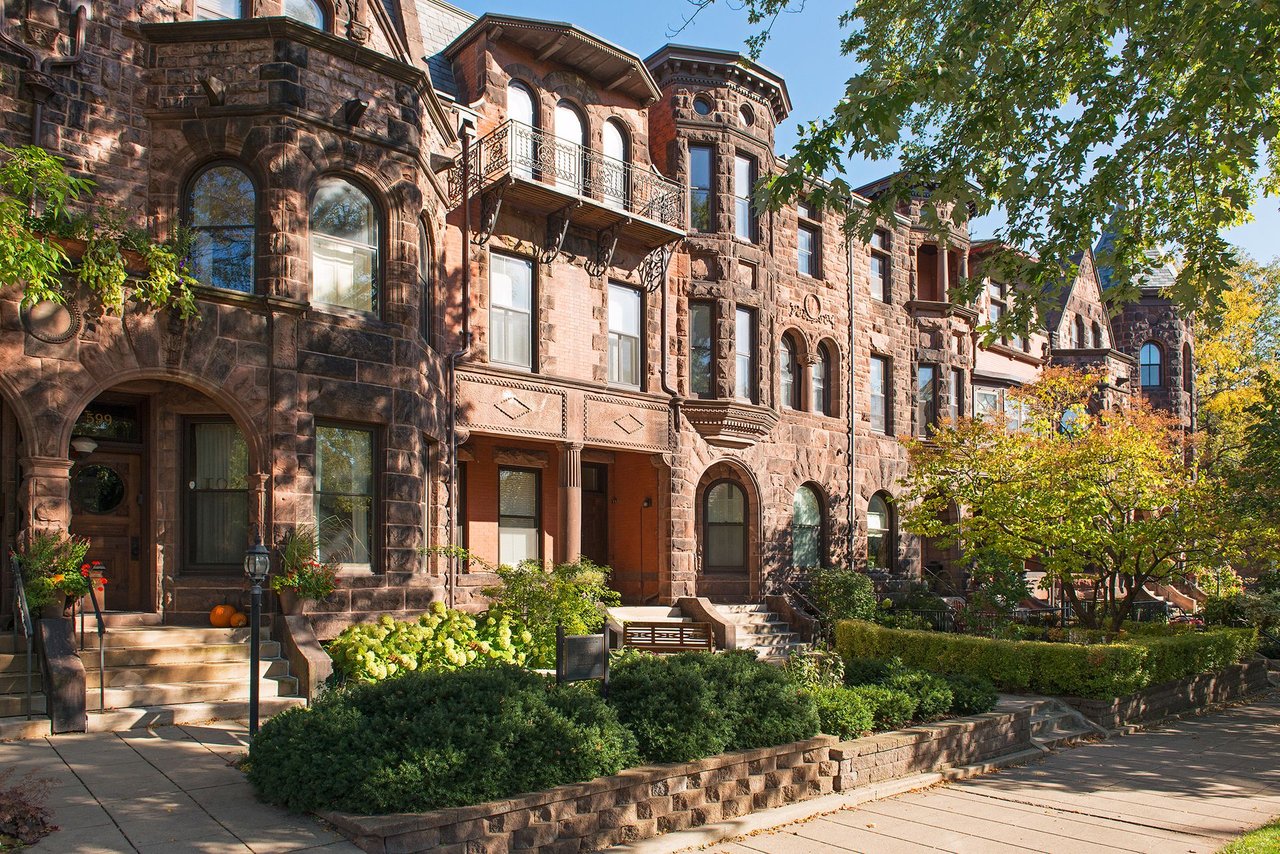
One reason buyers love this area is that it does not feel repetitive. Saint Paul’s Summit Avenue West guidelines describe the neighborhood as architecturally diverse, yet still unified by an overall pattern of harmony and continuity.
You may see homes from the late Victorian period through the interwar years. City materials for Summit Avenue West use a period of significance of 1885 to 1938, which means you are often looking at homes shaped by several architectural eras rather than a single style.
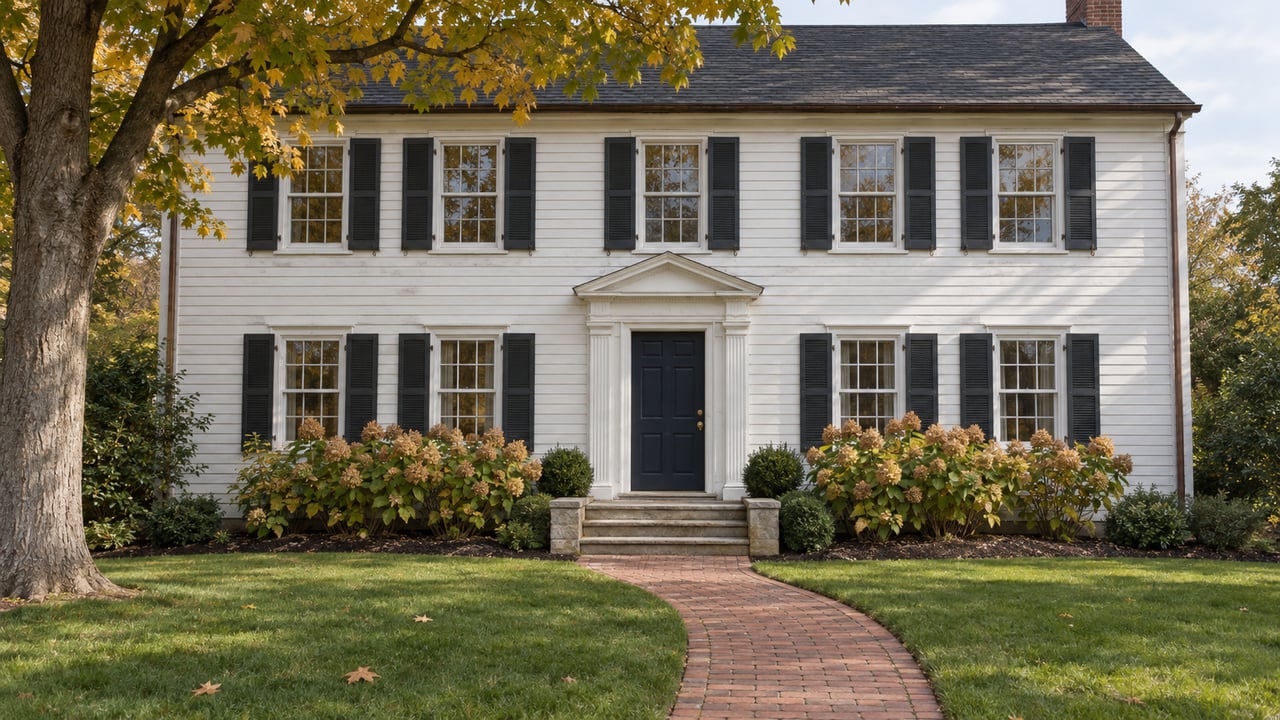
Representative properties in and around Summit Avenue show that range clearly, including Craftsman, Classical or Colonial Revival, Jacobean Tudor Revival, and Richardsonian Romanesque examples. For you as a buyer, that means each property can have very different details, materials, and restoration needs.
According to city guidelines, many buildings along Summit are built with high-quality materials such as brick or stucco. Asphalt and tile roofs are common, and gable and hipped roofs appear frequently across the district.
The guidelines also stress the importance of original window openings, porches, and decorative features. These elements help define a building’s period and style, so they are often central to preservation review and to the long-term value of the home’s historic character.
When you buy a historic home here, you are not just buying walls and square footage. You are also buying into a historically planned setting.
Summit Avenue West guidelines emphasize rear-yard parking, alley-access garages, preservation of the boulevard-and-sidewalk system, and public features such as lantern-style street lights. That means lot layout, garage location, and visible outdoor changes can matter as much as the house itself.
Preservation review can sound intimidating, but in practice it is about understanding the framework before you renovate. Saint Paul advises owners to consult applicable district guidelines early so they can avoid costly plan changes later.
The city’s review framework is based on the Secretary of the Interior’s Standards for Rehabilitation. In simple terms, that approach favors keeping a property’s historic character, repairing deteriorated features when possible, and making sure new work is compatible with the building and the district.
The Summit Avenue West code also describes the guidelines as flexible criteria rather than rigid rules. Still, they are used to guide decisions on scale, massing, materials, roofs, windows, and setbacks, so they carry real weight.
If you are considering updates, some projects deserve extra attention from the start:
For example, Summit Avenue West guidance says replacement materials should match the original in composition, design, color, texture, and appearance. It also says new additions should be placed where they are least conspicuous, and garages on alley lots should be located off the alley.
The same guidelines discourage visible vinyl, metal, or hardboard siding on primary buildings. Rear decks should also stay out of prominent street views.
Historic homes can be deeply rewarding, but they ask more of you as a buyer. Minnesota Historical Society guidance recommends inspecting a historic property at least twice a year and paying close attention to the roof, gutters, windows, foundation, grading, exterior envelope, and major systems such as heating, wiring, and plumbing.
One issue rises above the rest: water. MNHS notes that most preservation problems come from water damage, so drainage and moisture control should be treated as a top priority rather than a cosmetic concern.
That is especially useful during your inspection period. A beautiful facade can distract from grading issues, gutter failures, foundation moisture, or deferred maintenance around windows and roofing.
Windows are one of the most misunderstood parts of a historic home purchase. The National Park Service says repair should be the first option, and when replacement is necessary, the new feature should match the old in design, color, texture, and other visual qualities.
That matters in Summit-University because local guidelines also emphasize retaining window openings, sash proportions, and door details. In many cases, energy performance can be improved with weatherstripping and storm windows without sacrificing historic character.
Because many homes in Summit-University were built long before 1978, lead-based paint is an important consideration. CDC and EPA guidance says homes built before 1978 are likely to contain lead-based paint, and renovation work such as sanding or window replacement can create hazardous dust if lead-safe practices are not used.
For you, that means planning ahead before major interior or exterior work. Testing or budgeting for lead-safe renovation practices can help you make more informed decisions before closing, especially if the home needs immediate updates.
Many buyers assume that owning a historic home automatically comes with tax incentives. In most owner-occupied purchases, that is not the case.
The federal 20 percent historic rehabilitation tax credit applies only to certified historic structures in income-producing use. Minnesota Historical Society also notes that the State Historic Preservation Office administers federal and state rehabilitation tax credit programs for income-producing historic properties, so a primary residence buyer should not expect a standard home purchase to generate historic tax credits.
That is an important budget reality check. The value in a historic home is often architectural character, location, and long-term stewardship, not a guaranteed renovation tax break.
If you are serious about buying a historic home in Summit-University, a little extra research upfront can save time, money, and frustration later.
MNHS notes that the strongest protection is often local, where demolition and building permits affecting locally designated properties go through local review. That is why local designation status can matter so much to your future plans.
Saint Paul’s guidance is clear that early consultation can help owners avoid costly changes later. That is especially true for windows, additions, roof work, porches, and siding.
Buying a historic home in Summit-University is different from buying a newer property in a conventional setting. You are balancing architecture, maintenance, city process, and long-term stewardship all at once.
The good news is that when you understand the framework, these homes can be incredibly rewarding to own. With the right research and a thoughtful strategy, you can buy with more confidence and protect the character that drew you to the neighborhood in the first place.
If you are considering a historic home in Saint Paul and want practical guidance on evaluating condition, preservation questions, and neighborhood fit, Natasha Cejudo can help you navigate the process with clarity and care.

Blog
Which is why this newsletter is over four hours late.
Market Update
October 5 to 12, 2026
Blog
September 27 to October 5, 2026

Market Update
All in good light
Market Update
Here's what closed between September 13 and September 21, neighborhood by neighborhood.
Natasha prides herself on an honest, transparent, and comprehensive approach based on mutual understanding and clear communication. She is patient, insightful, attentive, and responsive; her professionalism, humor, and candid approach make her a joy to work with. If you are considering a move this year or next, she would welcome a conversation with you!